Methane, electrification and zero waste: where did COP31 leave us?
COP31’s failure to agree a final text deserves headlines. But it’s not the whole story.
I know what you’re thinking. “Why should I read yet another take on the ‘failure’ of COP31?” But I want to highlight some good news, which may give you hope on climate progress.
After marathon negotiations in Antalya, Türkiye, the 31st Conference of the Parties ended last weekend without agreement on a cover text, the summit’s overarching decision. It was the first time since 2009 this had happened. That failure is reason for the world to rethink how international climate diplomacy is working so countries can make more progress each time they gather for such a huge undertaking.
That doesn’t mean the event this year was a waste of time. Progress was made on a new mechanism for ensuring a just transition to a low-carbon economy, and on support for countries hit by climate disasters. More countries published roadmaps to move away from fossil fuels. Three areas stood out to me: methane emissions, electrification and the circular economy.
Methane is finally in the spotlight
As someone who has worked for four years on getting methane out of the shadows and to the centre stage of climate policy, I was pleased to see this highly potent climate culprit receive a lot more attention at this year’s COP.
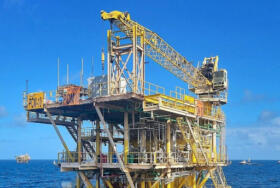
Although the Antalya Pact was not adopted, the draft text includes a paragraph on methane and other emissions besides carbon dioxide. That’s a sign that the focus is shifting, even though it wasn’t a direct commitment to cut emissions. Raising ambition on cutting methane emissions is vital for a safe climate, and it’s the world’s best ‘emergency brake’ option to slow down global warming in the near term, so it was very welcome to see it in the draft.
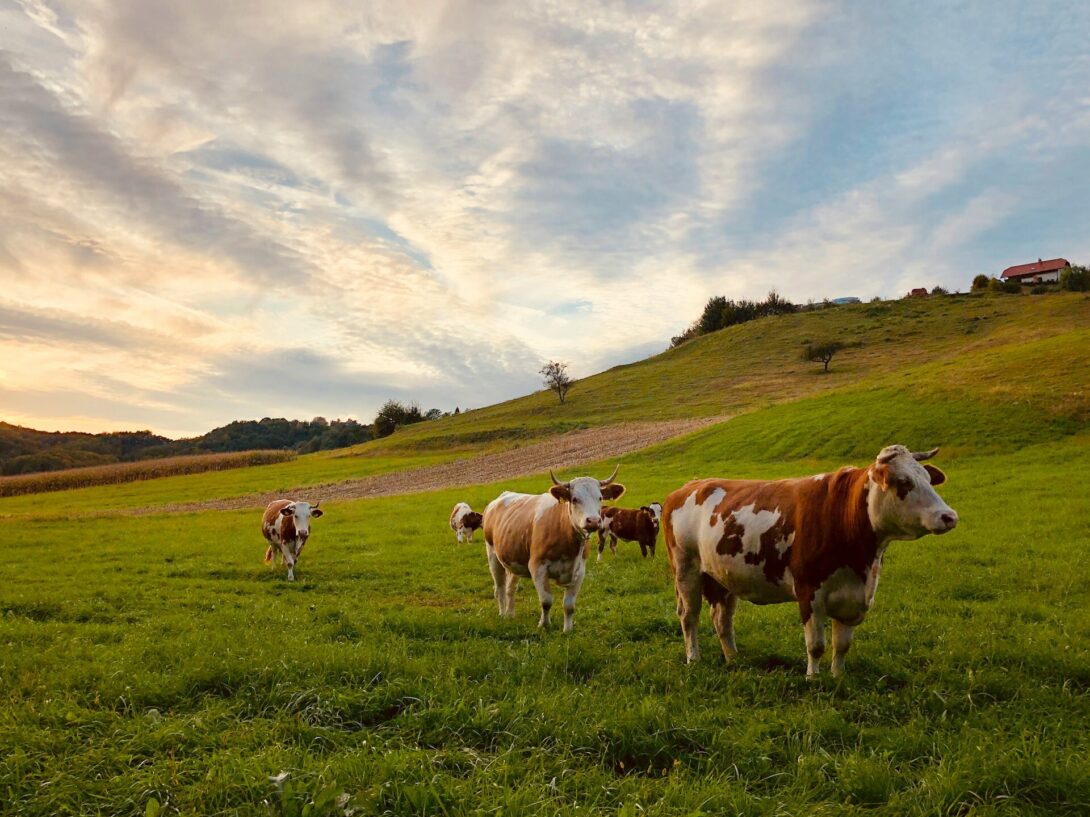
At the midpoint of the decade in which the Global Methane Pledge, signed by the UK, aims to cut methane emissions by 30 per cent by 2030, the UK announced a partnership with Nigeria at COP covering three sectors: energy, agriculture and waste. We’re still waiting to hear how the two countries will put this partnership into practice. Agreements like this are a step on the road towards the UK’s wider ambition to achieve a fossil fuel market with near-zero methane emissions.
There were other positive signs from the UK that it’s finally getting to grips with methane’s importance. Ministers made it a very public part of their COP31 communications. Climate minister Katie White name-checked it more than once in her energetic and fast-paced videos from Antalya, and the energy secretary, Miatta Fahnbulleh, highlighted it in her statements to parliament before and after the talks.

From relative obscurity to a core part of the UK’s global climate diplomacy, methane is now the hot topic it should be. It will be interesting to see, now everyone’s back from Türkiye, how the government will turn its words into action. Recent progress has been disappointing.
There was good ambition on electrification
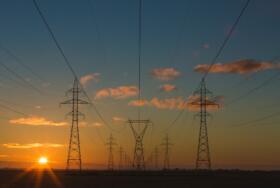
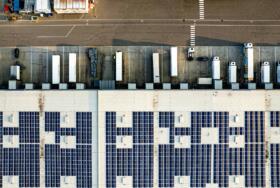
Electrification was a central priority for the Turkish presidency and over 90 countries reportedly signed up to its 35 per cent by 2035 Global Electrification Pledge. Switching from burning fuels directly to using electricity for power improves energy efficiency, reduces reliance on fossil fuels, cleans up the air and strengthens energy security.
The target doesn’t specify ‘clean’ electrification, nor is it in any way binding, but it is a good show of ambition. As the Australian president of COP negotiations, Chris Bowen said, “the transition away from fossil fuels is inevitable and happening at speed.”
COP championed a circular economy
The summit’s agenda also went beyond energy. A whole day was dedicated to zero waste and the circular economy. Championed by the Turkish First Lady, COP31 saw the launch of a Global Zero Waste Alliance. This will bring together countries, international organisations, local governments, the private sector, academia and civil society through voluntary partnerships.
First Lady Emine Erdoğan said, “We should measure our success not only by the waste we recover, but also by the waste we prevent from being generated. Achieving a higher quality of life with fewer resources must be placed at the centre of our understanding of development.”
Green Alliance has worked for over 12 years on mainstreaming the concept of a circular economy, promoting its jobs and economic benefits. What pleased me was not only the prominence of this issue but that the question it put first was how much waste can we avoid creating in the first place? Recycling matters, but it doesn’t ask us to confront how much we are extracting and consuming.
What next?
It’s no surprise that consensus on phasing out fossil fuels proved elusive in the current geopolitical context. Petrostates and fossil fuel lobbyists can block progress in the negotiations, but that doesn’t mean the energy transition stops. When President Trump took the US out of the Paris Agreement, everyone else still cracked on with growing the clean economy.
People are asking big questions about COP’s future, but Paris in 2015 showed that the world can powerfully unite and I hope a reformed COP will succeed in raising global ambitions again. In the meantime, the test for the coalitions willing to act now is what they do after Antalya. This COP gave us definitive, impactful areas to watch: measurable cuts in methane emissions, more electrification powered by clean energy and circular growth where valuable materials are kept in the economy and out of waste.

Liam Hardy is head of research at Green Alliance. He leads Green Alliance’s policy work on methane emissions and has also worked on clean power policy and industrial decarbonisation policy, especially of the chemicals sector. Previously, Liam worked at the global online climate school Terra.do, and was a lecturer in astrophysics at the University of Sheffield. He lives in Sheffield and enjoys hiking, cycling and board games.