COP31 fell short, but the UK must deliver
COP31 negotiations closed in Antalya on 22 November without agreement on its overarching political ‘Antalya pact’. The UK, the EU and several climate-vulnerable countries rejected a proposed cover decision they considered insufficient.
The UK government stated in its response to the rejected cover decision: “We believe it moves us backwards on the science when we must accelerate implementation.” Science itself became a point of contention at COP31, with disputes over the IPCC’s reporting timetable and funding raising concerns about whether its next assessment would be available to inform the 2028 global stocktake.
The most uncomfortable reality is now the prospect of sustained warming above 1.5°C. The 2015 Paris Agreement commits countries to hold warming well below 2°C and pursue efforts to limit it to 1.5°C. UNEP’s latest Emissions Gap Report 2026 finds that even full implementation of current national pledges would leave the world heading towards around 2.6°C this century. COP31 failed to deliver a credible response to the expected overshoot of 1.5°C and its consequences.
Despite the failure to adopt a political declaration, the COP31 Action Agenda offers some practical directions. Countries representing around half the global economy, including the UK, backed the presidency’s goal of increasing electricity’s share of global final energy consumption to 35 per cent by 2035. However, the pledge stopped short of specifying that this electricity should come from renewable and other low-carbon sources. A separate delivery package brought together plans for grids, storage, cleaner transport and industry.
The agenda also connected climate action with the circular economy: the presidency’s 2035 ambitions include raising the global circular material use rate to at least 15 per cent and halving the projected growth in municipal solid waste, a major source of global methane emissions. While these are Action Agenda goals, rather than binding obligations negotiated by parties, they provide guidance for governments. The presidency’s circularity targets now offer a benchmark against which Britain can strengthen its domestic action.

This matters because electrification also depends on physical resources such as critical minerals. Longer-lasting equipment, repair, reuse and recovery of critical minerals can reduce pressure on supply chains and retain value. Climate policy needs to address the materials used in batteries, vehicles and renewable energy infrastructure alongside the carbon intensity of electricity. As was highlighted by a recent UK Parliament report on critical minerals, Britain remains almost entirely dependent on imported critical minerals, yet exports 80 per cent of its metal and mineral waste. Linking electrification with stronger domestic recovery and recycling would help retain valuable materials and reduce supply chain vulnerabilities.
For the UK, four concrete priorities follow.
First, uphold scientific integrity. The UK’s strong scientific base, including its universities and the Met Office, and its substantial contribution to IPCC assessments give it a particular responsibility. This means sustaining climate research and observation, supporting adequate funding and international scientific cooperation, especially with developing countries impacted by climate change. Timely delivery of IPCC reports, and defending scientific assessment against political interference, will be of the essence. It also means ensuring that the scientific evidence informs action at home and abroad, from domestic emissions reductions and adaptation planning to international climate finance. Britain’s credibility will depend on matching its defence of climate science in negotiations with domestic policies that respond to its findings.
Second, increase predictable public climate finance, particularly grants for adaptation. Britain’s current package includes around £6 billion in aid-based climate finance over 2026–29, alongside £6.7 billion in other public finance. At COP31, it announced £400 million for the Climate Investment Funds' new AMPLIFi mechanism, intended to mobilise investment in clean power, grids, storage and electrification in developing economies. Investment and guarantees can mobilise additional capital, but as was highlighted at COP31, countries and communities with limited borrowing capacity also need grants.
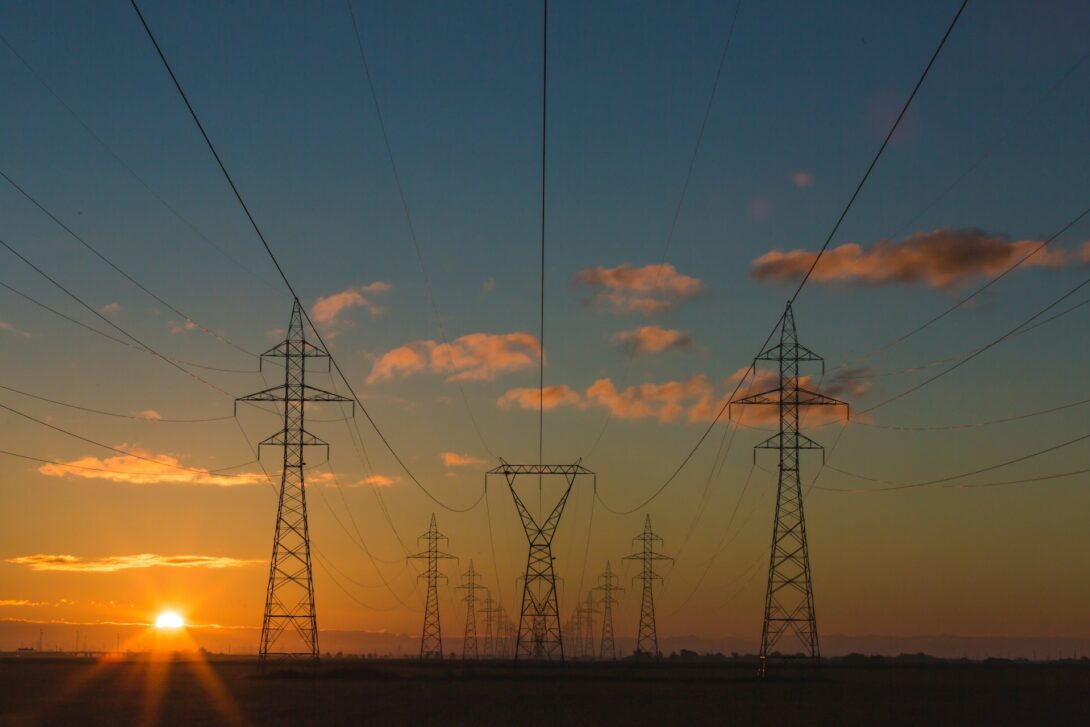
Third, accelerate electrification at home. That means faster grid connections, investment in distribution networks and electricity prices that make heat pumps, electric vehicles and industrial conversion attractive. Businesses need stable policy and affordable finance; households need accessible support. The benefits should be visible through lower running costs and reduced exposure to fossil fuel price shocks. Energy infrastructure must also withstand a hotter, less predictable climate.
Fourth, publish and fund England’s delayed Circular Economy Growth Plan, coordinating delivery with the devolved governments. In mid-November, ministers were still promising next steps shortly. The plan should set measurable goals to improve resource productivity and reduce demand for virgin materials, backed by public procurement rules, product standards and investment in repair, remanufacturing and recycling. Keeping materials and products in circulation reduces emissions, builds domestic industrial capabilities while reducing the vulnerabilities associated with imported resources.
Despite its failure to secure an overarching agreement, COP31 leaves the UK with a clear agenda for action on climate finance, electrification and the circular economy.

Patrick Schröder is a senior research fellow in the Environment and Society Centre at Chatham House. He is a coordinating lead author for both the IPCC Assessment Report 7 (WG III – Mitigation) and the UN Global Environment Outlook 7. Patrick is also a member of the International Science Council Expert Group on Plastic Pollution.