Fixing our landscapes and coasts in a broken climate
Britain is facing a new reality. Extreme weather is no longer something we can treat as an occasional disruption. 2026 has brought a summer of droughts, heatwaves and wildfires, and as we move into autumn, floods are becoming a growing threat once again.
Each time a climate shock like this strikes, we understandably mobilise emergency services and repair damage. But we also need to ask a more fundamental question: what can we do before the next extreme weather event arrives? As someone who works in Britain's growing rewilding movement, I believe the answer is staring us in the face: we need to restore nature and make our landscapes more resilient.
Rewilding is sometimes thought of as simply bringing back wildlife. And it is about that - but it's also about restoring natural processes that can help landscapes and coastal areas cope with extremes.
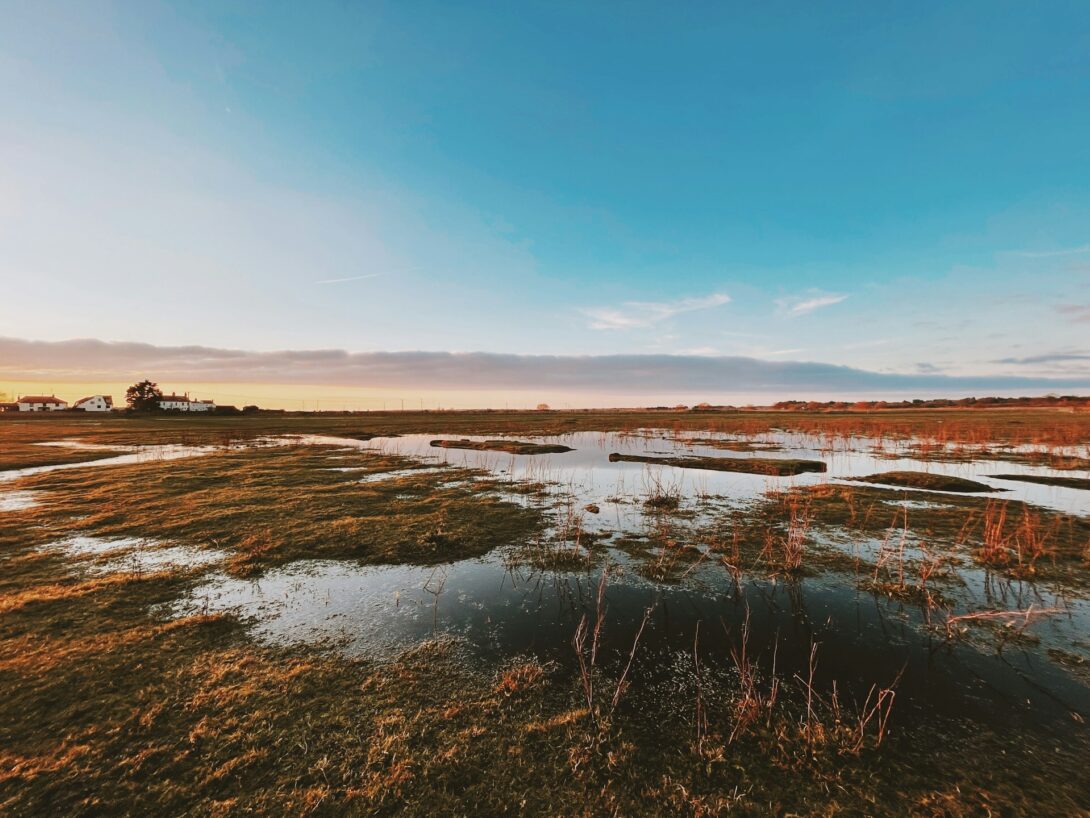
Take water, for example. Healthy, functioning landscapes can hold, slow, and release water naturally. Restored wetlands and peatlands can retain water. Beavers can create wetlands that slow the movement of water through landscapes. That matters when heavy rainfall arrives and we need to reduce the speed and volume of water moving downstream, towards our towns and villages.
But the same principle applies when the rain stops.
In prolonged dry spells, landscapes that can hold water become increasingly important. Wetlands, healthy soils and nature-rich habitats can help landscapes remain wetter and cooler, providing respite for people and wildlife alike.
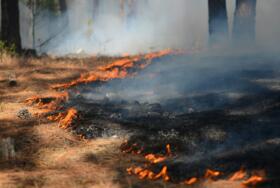
And when our often damaged and degraded landscapes become exceptionally hot and dry, the risk of wildfires becomes another part of the picture. This is where rewilding can be part of the solution: by restoring the natural processes that keep landscapes wetter, cooler and more diverse, we can make them better able to withstand the extremes we are now experiencing. Along our coasts, restoring saltmarshes, kelp forests and seagrass meadows can also help absorb wave energy and reduce the impacts of coastal storms and flooding.
And when our often damaged and degraded landscapes become exceptionally hot and dry, the risk of wildfires becomes another part of the picture. This is where rewilding can be part of the solution: by restoring the natural processes that keep landscapes wetter, cooler and more diverse, we can make them better able to withstand the extremes we are now experiencing. Along our coasts, restoring saltmarshes, kelp forests and seagrass meadows can also help absorb wave energy and reduce the impacts of coastal storms and flooding.

We should stop thinking about these issues in isolation. Flooding, drought, heat, and fires are all a result of an increasingly extreme climate, and our landscapes need to be capable of dealing with all of them. That’s why rewilding should be considered at the heart of our national resilience strategy.
The public clearly understands this. Recent polling commissioned by Rewilding Britain found that 62% of people believe the UK Government should invest more in nature restoration to address future extreme weather. Meanwhile, 74% believe the UK Government is not preparing the country adequately for events including flooding, drought and heatwaves. The political response needs to catch up with the public desire for action.
This does not mean that rewilding can replace a town’s flood defences, our emergency services or other vital infrastructure - it cannot. Nor will restoring nature stop extreme weather in its tracks. But we can make our landscapes and coastal areas better able to mitigate its impacts.
We need to think beyond reacting to the next crisis when it arrives and start better preparing the landscapes on which we all depend - investing now in restoring wetlands, peatlands, reconnecting rivers with floodplains, and other nature-based solutions that can provide multiple benefits.
At Rewilding Britain, we’re calling on the UK Government to create a Climate Shock Fund as part of our Rewild to Recover campaign, which will enable more large-scale nature recovery and help make landscapes and communities more resilient to floods, droughts, wildfires and extreme heat. It’s an idea that deserves serious attention as our politicians consider how Britain should better prepare for a more volatile climate.
We need to change how we think about climate resilience. Instead of waiting for the next flood, fire or heatwave and then paying to repair the damage, we should invest now in natural systems that can help reduce those impacts in the first place.
Extreme weather is already testing Britain's resilience. But will we continue to react to each crisis, or invest in landscapes and coastal areas that can help withstand what comes next?

Rebecca Wrigley is a founder and the Chief Executive of Rewilding Britain, a pioneering organisation dedicated to the restoration of wilder nature across Britain. With a career spanning three decades in environmental conservation and social change, Rebecca has been instrumental in driving the rewilding movement. In particular, linking large-scale ecosystem restoration, economic regeneration and community-led approaches to land and marine management.