Dunkelflaute: why energy security in the renewable age demands long-duration storage
Dunkelflaute is a once-obscure German word that’s appearing more and more in energy discussions. So much so that the Lords’ Environment and Climate Change Committee has launched an inquiry into the risks it poses to energy security. I was recently asked to give evidence to this committee at the opening session of their enquiry.
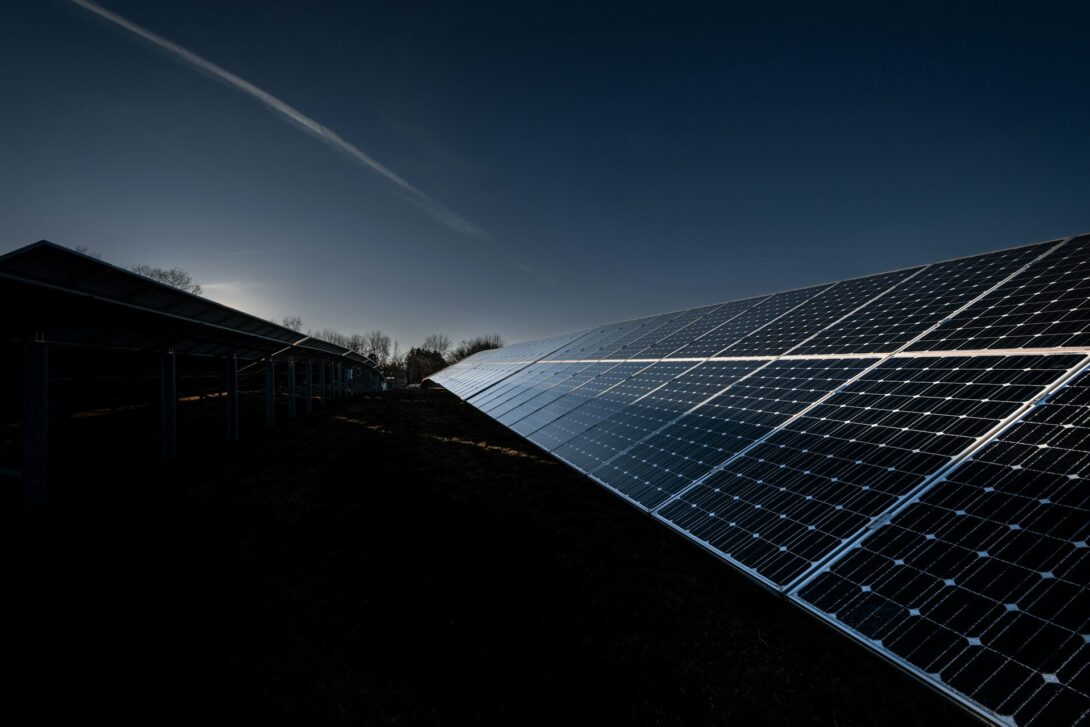
Literally translated, it means ‘dark doldrums’ – periods when the weather delivers little sunshine and little wind at the same time. It’s catchier than the Met Office’s “anticyclonic gloom”, and it captures a real challenge for our renewables-based energy system: where does the electricity come from when our wind turbines stand still and our solar panels see no sun?
If a dunkelflaute strikes during a cold winter, demand for electricity to heat our homes will rise just when wind and solar output is at its lowest. It’s not only domestic energy that’s affected. Industry and transport also depend on that power, so we need to look at the whole system, not just energy generation.
Large-scale energy storage isn’t new. Britain used to rely on coal stocks and, more recently, North Sea and imported gas that could be stored for months or years and used when required.
Renewable generation is cheaper than the fossil fuel alternatives but doesn’t come with storage built in, so we have to build it deliberately elsewhere in the system. That makes energy storage one of the defining infrastructure and cost challenges of the clean energy transition.
Our research suggests a highly renewable UK energy system could need at least 15 terawatt-hours (TWh) of energy storage to maintain resilience and security of supply. To put that figure in context, if all 30 million of the cars we drive in the UK were battery electric vehicles, their batteries would hold only around 2 TWh.
Batteries and thermal stores are vital for balancing supply and demand within a single day, but they’re broadly expected to recharge and be ready to go again by the following day. But dunkelflautes present a different challenge. If wind and solar output stays low for days or weeks, the system needs storage that can deliver energy continuously over much longer periods. Batteries are a very expensive way to do that.

At these timescales, molecular energy stores become important. That could mean natural gas, renewable gases such as biomethane, or hydrogen produced when renewable generation is abundant and stored until it’s needed. Unlike batteries, these can store very large quantities of energy economically over long periods. There’s a great opportunity for innovators to come up with effective ways to deliver this long-duration storage.
That leaves policymakers with three problems. The first is uncertainty. We don’t know exactly how much low-carbon long-duration storage the UK will need. Estimates vary with assumptions about future demand, the pace of electrification, weather patterns and the mix of generation technologies.
But uncertainty should not become an excuse for inaction. The debate today should not be about exactly how many tens of terawatt-hours we need, when currently we have almost no low-carbon long-duration storage.
The second is timing. Most of the gas power stations we rely on when renewables fall short will reach the end of their lives in the mid-2030s. We need to plan their replacement now, but for the energy system we’ll have in the middle of this century. A like-for-like replacement is unlikely to be the right answer, but leaving an unfilled gap would be unacceptable for energy security.
The third is the economic challenges. It’s difficult to see how traditional market mechanisms could support assets that are rarely used, so it’s better to think of long-duration storage as insurance for the energy system. Like insurance, its value lies in being there when we need it most. And as with any insurance, the government needs to decide which risks are cost-effective to pass to the private sector.
As the UK's energy system becomes increasingly dependent on low-cost renewable generation, the question isn’t whether dunkelflautes will happen. It’s whether we can deliver the solutions needed to ensure they remain a manageable inconvenience rather than a serious threat to energy security.

Jon Saltmarsh is Chief Technology Officer at Energy Systems Catapult. The Catapult seeks to accelerate clean energy innovation and help UK businesses take advantage of these opportunities to scale up. Jon is responsible for setting technical direction by identifying innovation priorities where the Catapult can deliver most impact. His primary areas of interest are around energy demand, particularly flexibility, resilience and disruptive innovation. He has more than 35 years’ experience working in energy and defence innovation in both government and the private sector.