The "do nothing" Budget: a missed opportunity
There is a time and a place for a “do nothing” budget. Don’t rock the boat. Don’t fix what isn’t broken. Unfortunately, this wasn’t it.
The boat is taking on water; there are plenty of broken things that need fixing and millions of households are calling on the government to do something.
Under current forecasts, household disposable incomes are projected to be £450 a year lower in 2029/30 than they were in 2024/25. This would make this the worst parliament on record for living standards. These trends have very real costs. In May this year, a record 7.4 million households reported going without an essential like food, heating or basic toiletries in the past six months.
There were some positive steps in this Budget. Extending the VAT temporary 0% rate on domestic electricity and the breathing space offered by the £100 Household Energy Payment will help a lot of struggling households. Extending paternity pay to self-employed fathers is a big step forward for dads and their families. Continuing to bring the rates taxation of property income closer to the taxation of income from work reduces one of the inefficient inequities in the tax system and raises much-needed revenue.
The problem is that these steps are too small and not part of a clear strategy to address the systemic issues.
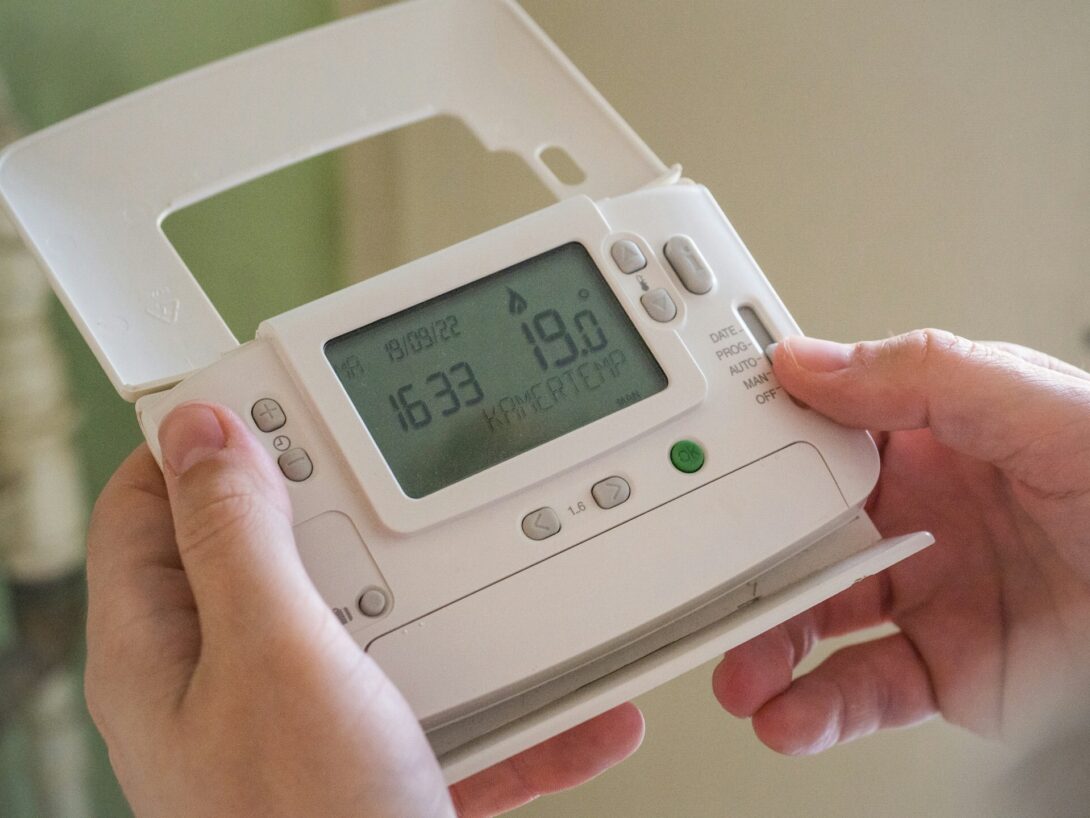
Take the £100 council tax rebate to support households with energy costs this winter. This will definitely help a lot of people, but it is not an energy policy; it is a sticking plaster. It is the same sticking plaster Rishi Sunak used in 2022.

The fundamental issue in energy policy is that basic energy use is an essential good and every household should be able to afford to heat their homes. The solution is not to repeatedly offer ad hoc and poorly targeted support to households to paper over this issue. It is to change the pricing system so that energy for basic use is cheaper. This reduces the cost of essentials while maintaining the incentives to reduce non-essential energy use.
Fixing these issues and rebuilding the safety net that supports households when they need it will not only improve the lives of the people who need it the most, but it is also good for growing the economy.
Uncertainty and insecurity in household finances reduce people’s capacity to be productive at work. Worrying about money means people go to work stressed and distracted. Recent analysis by Pro Bono Economics estimated that household economic insecurity was a drag on the economy worth £28bn – and that this has risen by £9bn since 2022.
Across a range of issues - energy, housing, social security, tax - the government needs a strategic plan for how it is going to build a system that provides families the security and certainty they need and makes them better off.
The question I have heard repeatedly after this Budget is “if not now, then when?”
The answer has to be in the 10-year plan to be announced shortly and in the spending review next year. This Budget was a missed opportunity, and the government can’t afford to miss any more.

Chris is the chief economist at JRF, aiming to understand the economic challenges that underpin poverty and economic insecurity. Previously, he worked at HM Treasury on fiscal sustainability and policy reform impact, and at the Institute for Fiscal Studies on education policy and inequality.