Clean air begins at home
The Government should be more introspective when considering legislative reforms aimed at cutting pollution. Buses, diesel engine trains, inefficient heating in public buildings are all symptoms of pollution the Government alone can remedy, says John Redwood.
I'm all in favour of clean air. The Clean Air Acts which removed the smogs from London and our leading industrial cities were great acts of progress. They did not damage our economy, whilst improving the quality of life and saving our lungs.
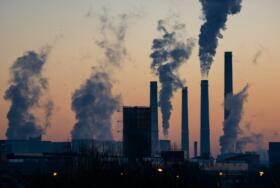
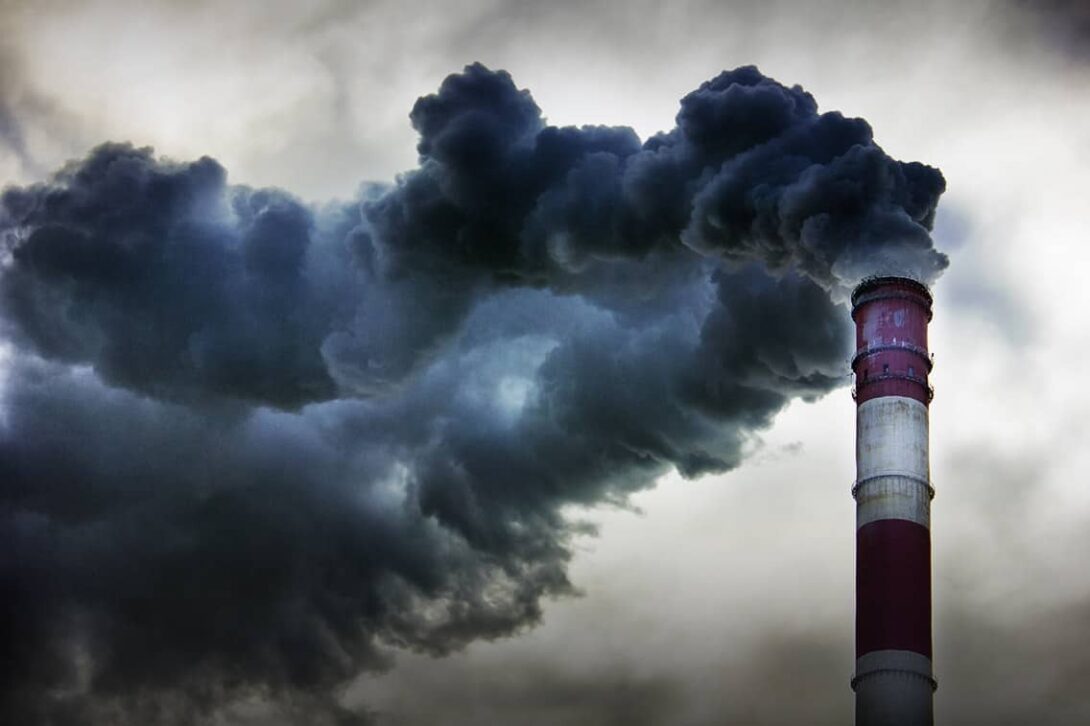
Today more can be done. Particulate matter in the air can be unpleasant. It comes from domestic and commercial heating systems, from transport, from power generation and from some industrial processes. Progressively higher standards of pollution control can clean our air more.
There has been a tendency in the UK debate to concentrate on the impact of the car and lorry and to minimise or ignore the role of other sources. It is true there has been quite strenuous efforts to clean the output from factory chimneys. There has been a strong move away from open fires and coal and coke burning boilers. Their replacement with oil or gas systems has lowered the output of hazardous waste. There has been less concentration on the particulates coming from diesel buses and trains.
The government will be long on words and targets, but more careful on proposing changes to the way individuals live. You cannot suddenly demand that everyone replaces their domestic boiler or scraps their coal or wood burning devices. Effecting change in the hearths and boiler cupboards of the nation's homes requires patient progress and incentives to encourage voluntary change. Requiring people to burn less harmful fuel in solid fuel devices would be possible. Banning bonfires is part of modern life.
The state should look to its own. There are still cities where bus fumes and particulate matter from the exhaust are an important part of the problem on the streets, especially near bus stops. There are stations where waiting trains keep their diesel engines running, with smoke and particulates circulating in high concentrations by the platforms. There are many public buildings with inefficient and dirty heating systems. Improvement and change in these areas would be the most positive way the government could lead this change.

John Alan Redwood, Baron Redwood, is a British politician and academic who represented Wokingham in Berkshire as Conservative Member of Parliament from 1987 to 2024. Born on 15 June 1951, he served as Secretary of State for Wales under John Major and twice stood unsuccessfully for the Conservative Party leadership during the 1990s. Following his ministerial career, Redwood held positions in the Shadow Cabinets of William Hague and Michael Howard before spending his remaining parliamentary years as a backbencher. Prior to entering Parliament, he earned a doctorate at All Souls College, Oxford and served as Director of the Number 10 Policy Unit under Margaret Thatcher.