The EEC, the EU and the economy
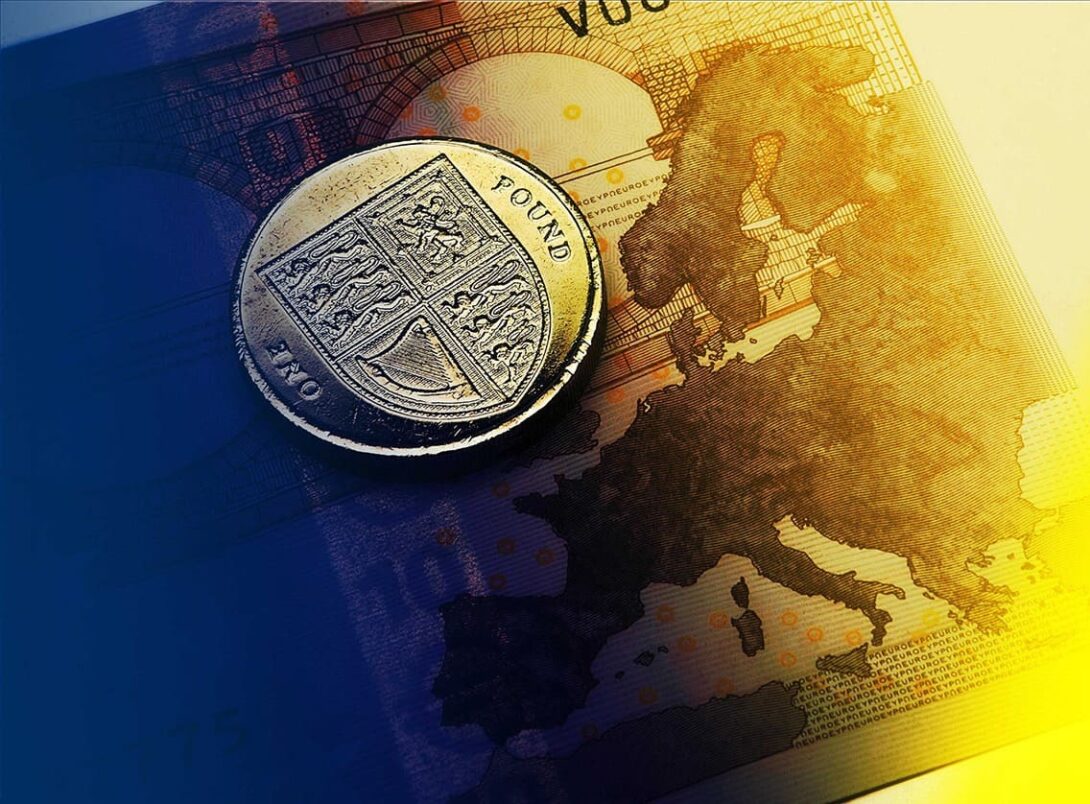
Regular contributor, John Redwood MP provides us with an interesting dissection of the Remainer argument that staying in the EU is good for the economy.
The Remain case for staying in the EU is always based on the unproven economic advantages. These are said to be important and are often argued around alleged problems which would hit us if we dared to leave. One of the ironies is those who claim to hold the highest regard for the EU usually suggest the EU will behave particularly badly if we just leave, ignoring the EU Treaties which require friendly pro trade relations with neighbours.
When we first entered the EEC the sudden shock of removing all tariff protection for our industry helped weaken key sectors badly. In the first ten years of our membership car output halved. The steel industry suffered bad declines, leading to closures of large modern plants. Textiles also suffered closures and bad job losses. There was no offsetting liberalisation of services where the UK was a strong competitor.
In the second decade of our membership the UK accepted the need to enter the European Exchange Rate Mechanism. This policy had the predictable effect of ending in a major recession for the UK, with huge losses on enforced foreign exchange trading. This accelerated damaging decline in UK industry.
In the fourth decade of our membership the UK suffered from the western banking crisis, making similar policy errors to the ECB and Fed. On the EU side of the Atlantic recovery was much slower thanks to the Maastricht debt and deficit guidelines which the UK included in policy as well as the Eurozone and to other features of shared economic and business policy. Our greater involvement with the poorly performing Eurozone also slowed our recovery.
The UK has run a large trade deficit with the EU for most of our time in it. Meanwhile we have a good surplus with the rest of the world, in spite of EU tariffs and by trading with no free trade agreements with the main countries.

John Alan Redwood, Baron Redwood, is a British politician and academic who represented Wokingham in Berkshire as Conservative Member of Parliament from 1987 to 2024. Born on 15 June 1951, he served as Secretary of State for Wales under John Major and twice stood unsuccessfully for the Conservative Party leadership during the 1990s. Following his ministerial career, Redwood held positions in the Shadow Cabinets of William Hague and Michael Howard before spending his remaining parliamentary years as a backbencher. Prior to entering Parliament, he earned a doctorate at All Souls College, Oxford and served as Director of the Number 10 Policy Unit under Margaret Thatcher.