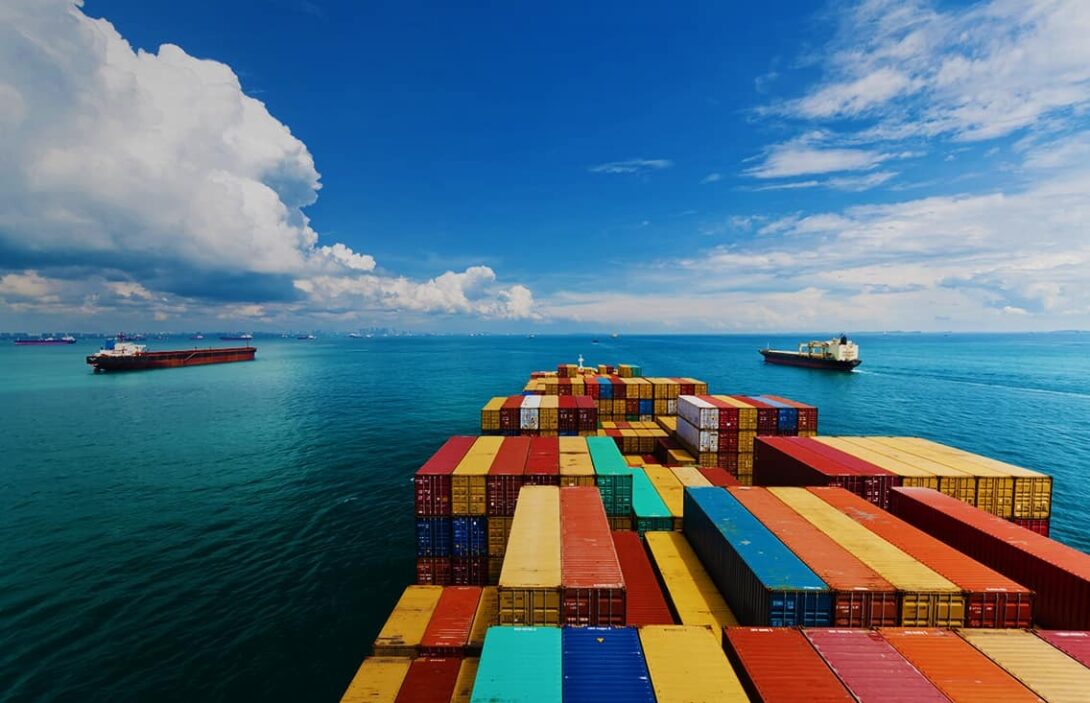
A new trade vision for the UK
When the UK voted to leave the EU, it was not a call for protectionism. Rather, it represented a desire to return to global free trade, argues John Redwood MP.
I find some of the media and email arguments I read and hear about our trade future bizarre. Remain politicians and spin doctors are still peddling the lie that we cannot live with any changes to our current tariff free trade arrangements with the EU, whilst we must not enter into a tariff free Agreement with the USA.
There has always been a central lie behind the Remain position on trade, based on the so called gravity model. This states that trade with near neighbours is both more likely and more important than trade with countries further away. The model's economic forecasts are weighted so EU trade matters and rest of the world trade doesn't, for no particularly good reason.
In recent years our single biggest national trading partner is the USA, not Germany or France. 3000 miles has beaten a few hundred miles of distance. Our trade with China on the other side of the world has grown far more quickly than our trade with the low countries, near by. This is despite facing tariffs on our non EU trade and no tariffs on our EU trade. How much more could we trade with the TPP and the USA on a tariff free basis?
The dislike of opening a Free Trade Agreement with the USA predates President Trump but has been intensified by Remain's distaste for the present incumbent of the White House. There has been an orchestrated attempt to disrupt good relations between our two countries, and to vilify US food. The people who do so have often flown across the Atlantic and enjoyed US meals in hotels and restaurants without a murmur then about what they are eating other than to sometimes praise it and their hosts.
In a few posts I am going to explore some of these issues one more time. Today I wish to stress four obvious truths from the figures concerning our trading patterns in recent years.
- Our trade has grown more quickly with the rest of the world than with the EU in recent years, despite EU barriers and tariffs and despite distance. Non EU trade is now the majority of our trade.
- Our non EU trade shows you can have a substantial and profitable trade without a special FTA in place. FTAs are helpful but not essential to trade, expanding it a bit.
- If you enter a Free Trade Agreement with another country you do not have to obey their law codes, and you do not have to buy products they make which you do not want or like.
- Once we are fully out of the EU we will decide on our animal welfare and food growing standards.

John Alan Redwood, Baron Redwood, is a British politician and academic who represented Wokingham in Berkshire as Conservative Member of Parliament from 1987 to 2024. Born on 15 June 1951, he served as Secretary of State for Wales under John Major and twice stood unsuccessfully for the Conservative Party leadership during the 1990s. Following his ministerial career, Redwood held positions in the Shadow Cabinets of William Hague and Michael Howard before spending his remaining parliamentary years as a backbencher. Prior to entering Parliament, he earned a doctorate at All Souls College, Oxford and served as Director of the Number 10 Policy Unit under Margaret Thatcher.