We need to build homes fit for the future
The city suffered devastating floods from extremely heavy rainfall in 2007 when over 10,000 properties were damaged forcing 6,300 people into temporary accommodation. In 2013 a tidal storm surge over-topped flood defences in parts of the city centre damaging 250 properties
When it comes to flooding, Hull is perhaps unique in the UK in facing serious threats from all four sources: tidal, river, surface water and groundwater. Situated on the banks of the Humber and bisected by the River Hull, almost all of the city lies below the high-water mark.
I was a teacher at a school in one of the areas particularly badly affected by the 2007 floods and saw first-hand the effects on the lives of families there. No surprise then, that as an MP, flood protection and mitigation is high on my list of priorities with a 10-minute rule bill and amendments to the Levelling-up and Regeneration Bill tabled in the last 18 months.
However, it would be a mistake to imagine my work in this area is of concern only to a handful of high-risk areas. Almost three million homes in the UK are at risk of flooding, and the facts are that sea levels will continue to rise well into the next century and more extreme rainfall events will occur as the climate warms.
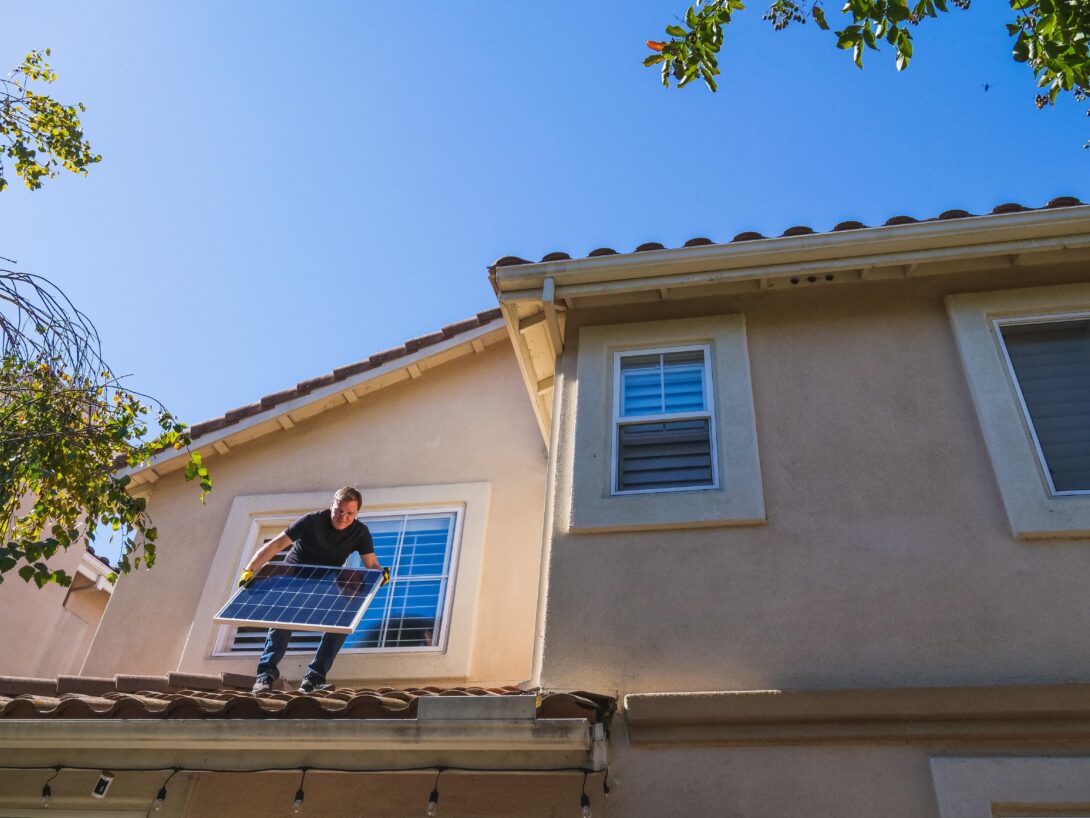
Virtually none of these homes has the adaptations necessary to make them more flood resistant and resilient. Our housing stock is woefully under-prepared for climate change. It is the oldest in Europe, and an estimated 29 million homes will need to be retrofitted to meet the energy-efficiency standards necessary to reduce carbon emissions and meet net zero targets.

There is no requirement for properties being built today to meet the standards required for energy efficiency or flood resilience. Consequently, only a tiny minority do. This means the number of homes requiring retrofitting, including flood protections, is growing not shrinking.
This leaves insurers facing an increase in claims. In California, following the rise in wildfires, and Florida, following hurricanes and floods, big insurers are pulling out of the market leaving millions of residents and businesses without cover.
Fortunately, the UK has the FloodRe scheme, which uses a levy of insurers to ensure cover can be offered to all properties. However, it was designed to end in 2039 when it was envisaged all properties would be properly protected. This is looking increasingly optimistic.
This year I have attended three roundtables aimed at finding solutions to ensuring we build houses fit for the future and that we can all enjoy the security that insurance cover brings. The most recent was an event I co-chaired with Adam Winslow, CEO of Aviva and attended by representatives of national bodies involved in planning, flooding and adaptation to climate change and a range of other experts.
I have been struck at all three meetings by the consensus of opinion on the challenges we face and on the measures needed to address them. Unfortunately, this consensus is poorly reflected by the actions of government.
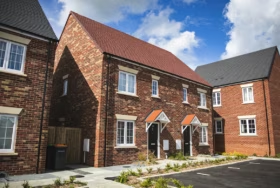
Currently, developers are allowed to sell properties before they have put agreed flood mitigations in place. There is agreement across the board this practice should be ended, and that building regulations should be updated to require all properties at risk of flooding to include property flood resilience measures.
Regulations are meaningless without proper enforcement and it is vital that planning authorities are properly resourced. This is not just about money, but training and developing the expert staff needed.
Prevention of flooding in one area very often requires work and adaptions elsewhere and the general view is that a more integrated approach to water management needs to be adopted. Where water goes after a new development is created is as important as where the water might be coming from.
An integrated, landscape-scale approach to water management needs to be developed which also increases biodiversity and helps to meet net zero targets. For example, bogs and salt marshes store and slow the flow of water, but are also carbon traps and rich habitats for a diverse range of plants and animals.
The Levelling-up and Regeneration Bill was a missed opportunity to put in place much needed changes to building and planning regulations, but the forthcoming National Development Management Plans presents another chance to do so. Consultation on these opens soon, and I shall continue to be a part of the concerted effort to ensure we are building homes fit for the future, with infrastructure to match, as soon as possible.

Emma Ann Hardy, born on 17 July 1979, is a British Labour Party politician who has represented Kingston upon Hull West and Haltemprice as Member of Parliament since the 2024 general election, having previously served as MP for Kingston upon Hull West and Hessle. In July 2024, she was appointed Parliamentary Under-Secretary of State for Water and Flooding. Before entering Parliament, Hardy worked as an education union employee and served on Hessle Town Council until May 2019, where she concentrated on matters relating to the NHS and education.