Housing market: lessons from our history
There is a growing consensus that something has fundamentally gone wrong at all levels with housing in Britain. We often search for new approaches and policies to meet society’s needs when in fact we should instead look at our history for the solutions.
The Labour Government understands that the housing market is dysfunctional, that housing supply for decades has been inadequate and is rightly appalled at inheriting a situation where there are over 300,000 people, including more than 170,000 children, in all forms of temporary accommodation. In this context, the response to set an ambitious target of 1.5 million new homes over 5 years is appropriate. I am, however, concerned that even with a record £39 billion committed to the affordable housing programme, this will not produce anywhere near enough truly affordable homes, and in particular, the right kind of social rent homes to meet the crushing levels of housing need.
My worry is that in a drive to hit house building targets we lose sight of something of enormous importance, and that is the need to create communities where people want to live and want to put down roots.
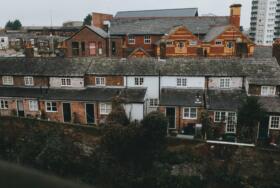
This is where looking at our history becomes so important. During the inter-war years of the early twentieth century, and then in the post second world war period, pioneering planners and local authorities in Britain, despite the most challenging of circumstances, created garden cities and new towns that have stood the test of time.
The Dagenham and Rainham constituency that I represent contains much of the Becontree housing estate started in the 1920s. The planners of the London County Council had the foresight to adopt much of the thinking that inspired the earlier garden city movement. Building 2, 3 and 4 bedroom houses with gardens, in an area where parks and other green public spaces were created, gave life changing conditions for families moving from slum tenement blocks in east London.
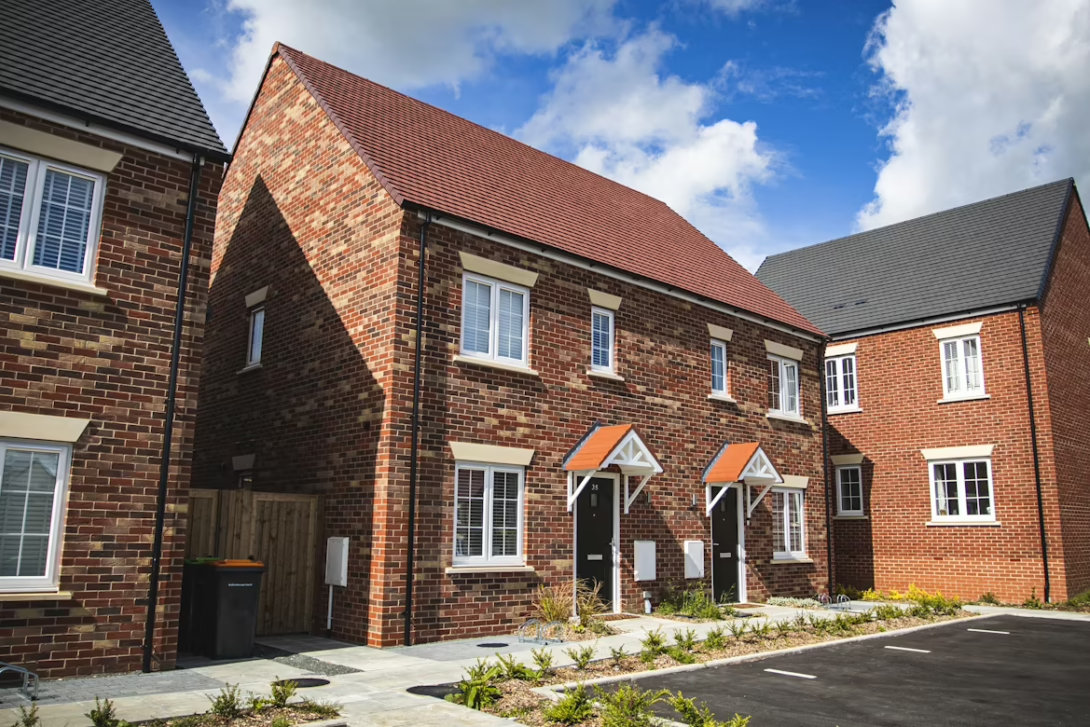
The housing supply of the last decade or two has been driven, predominately, by the targeting of numbers and by building viability arguments from developers. This has resulted in the over-supply of 1-bedroom flats and a nearly complete absence of 4-bedroom properties.
Instead, we must treat building as a part of place making. We must consider nurturing sustainable communities which are more balanced, incorporating the essential social and transport infrastructure needed to support new and existing communities.
That would also mean changing the housing mix in terms of tenure and house sizes and to build sufficient numbers of homes suitable for families. It would also mean building specific accommodation for elderly people designed to promote and extend independent living. This would in fact save revenue spending on social care and demands on health services.
I strongly suspect that this model of housing development would not just have greater longevity than the high-rise apartment block estates do, but would engender much higher levels of wellbeing, with all of the positive social and health outcome benefits that flow from it.
It would also not surprise me if this approach reduces opposition from existing communities to new housing schemes. This would also save planning expenses and time, and give a greater feeling of ownership and of being done by, rather than done to.

As a nation we did this before and did so in even more financially challenging times. Not only that, but those places and homes have stood the test of time.
Building for the future means planning neighbourhoods around the flow of life. From having the infrastructure to provide the best start in life, affordable first homes, places to work and socialise, family sized homes for social rent where people can put down roots, to sheltered options where people can grow old in the community they call home.
Only a legacy plan will help us surmount the housing crisis, not a dash for units.

Margaret Mullane is a British Labour Party politician who has represented Dagenham and Rainham in Parliament since 2024. She took over the seat from Jon Cruddas, who announced in 2022 that he would not seek re-election and for whom she previously worked as office manager. Before entering Westminster, Mullane built substantial experience in local government, having served as a councillor for the Village ward on Barking and Dagenham London Borough Council since 2010. During her time in local government, she held the position of Cabinet Member for Enforcement and Community Safety, giving her particular expertise in crime prevention and public safety matters.