The World Bank's standards are failing communities
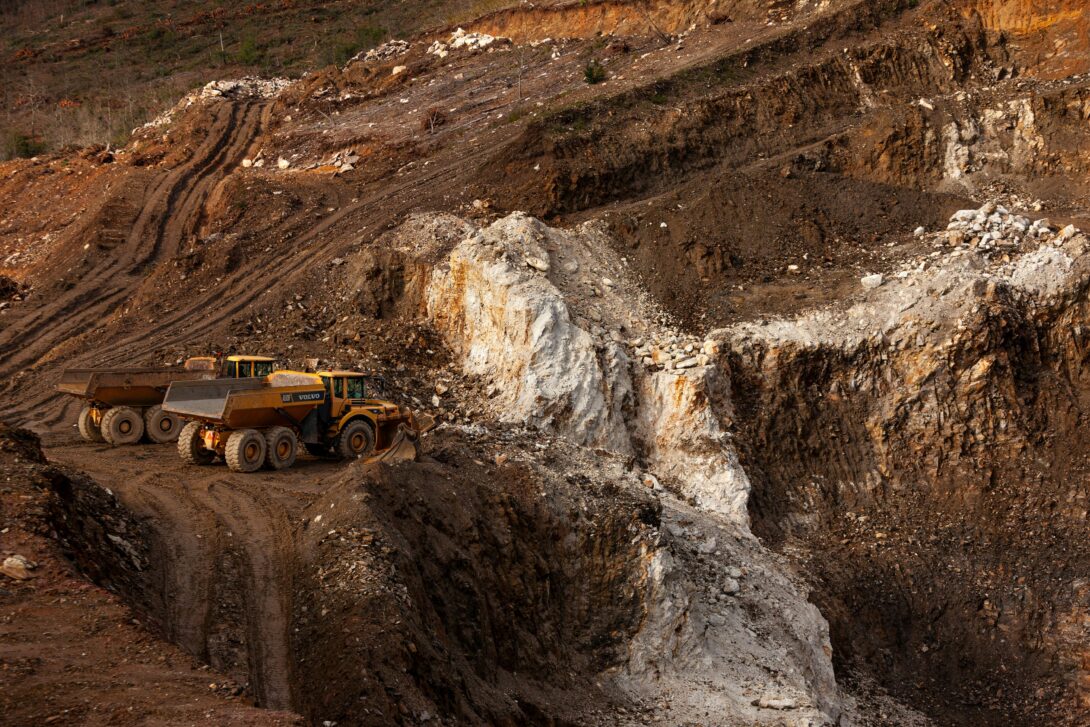
Investments in mining and other extractive industries have skyrocketed in recent years, as both developed and developing countries scramble to meet the growing energy and technological demands of their populations. In 2025 alone, more than $70 billion flowed into sectors including infrastructure, agribusiness and forestry, health, and education. But this rush for minerals like lithium, cobalt, and other rare earths, now considered critical minerals, is putting people and the planet at risk.
This is why the International Finance Corporation, the World Bank’s private sector arm, must strengthen its environmental and social standards and ensure they are meaningfully enforced across its projects.
The urgency is underscored by timing. The World Bank and International Monetary Fund Spring Meetings will take place on April 13-16, 2026, in Washington, D.C. At the same time, the IFC is reviewing its Sustainability Policy and Performance Standards. These convenings bring together representatives from financial institutions, development organizations, and civil society to discuss international development, finance, and the global economy. In a historic moment when the geopolitical landscape looks so uncertain, and the rules-based international system so weakened, the Bretton Woods institutions play a key role in shaping economic cooperation and development and determining the destination of significant financial flows.
The IFC’s standards matter far beyond the institution itself. The IFC is an industry setter. Other private sector financial organisms including the Inter-American Investment Corporation (IDB Invest) and the U.S. International Development Finance Corporation (DFC), base their own environmental and social safeguards policies on the Performance Standards. Many private sector financial institutions are reluctant to adopt policies of a higher standard than the IFC’s, amplifying its influence across global markets
Unfortunately, the IFC continues to support projects that fail to comply with environmental and social standards all over the world, including mining projects.The campaign, “World Bank’s 80 year legacy of harm,” by the Coalition for Human Rights in Development and its partners, cite multiple IFC-linked projects where forced evictions, attacks on defenders, sexual violence, and human rights violations have been reported.

In the Kiryandongo District, in western Uganda, for example, an agribusinessproject has led to the abduction, torture, arrests, and forced displacement of human rights defenders.
Similarly, in Argentina, the Sal de Vida project, an investment for the construction and operation of an already profitable and hazardous lithium production plant, is raising concern. This project, as it is designed, is likely to cause permanent environmental harm to a unique ecosystem, while the tangible benefit to the local communities is still unclear. Meanwhile, members of Argentinian civil society who have been resisting mining projects, including Indigenous peoples, have faced significant criminalization by the country’s current government. These are not isolated incidents and point to a systemic gap in how risks are identified, prevented, and addressed.
We, at the Open Society, support partners to directly engage with the IFC in the review of its Performance Standards, and to rally other civil society partners to meaningfully mobilize in this process. Our partners are advocating for increased transparency; robust human rights due diligence mechanisms that consider impacts on defenders; strong public participation requirements (including for Indigenous peoples), and accessible grievance and remediation systems for when harm occurs. Key safeguards for the protection of human rights defenders are Free, Prior and Informed Consent (FPIC), and ongoing, thorough community consultation throughout each project’s lifecycle.
The IFC needs to implement higher environmental and social standards in its projects. The violations against communities and the damage to the environment, impacting important biodiversity areas, need to end. As the Spring Meetings begin, this parallel review should not be overlooked. Prevention and accountability mechanisms within IFC projects need to be strengthened and put into practice, so real people can truly feel the effects of these reviewed and renewed IFC Sustainability Policy and Performance Standards.

Julia Nobre, a Brazilian Lawyer with an LLM in International Business Law and MSc in International Relations, currently serves as a Program Manager for the Protecting Rights Defenders Opportunity at Open Society, with a portfolio focused on holistic protection of environmental, land, and indigenous defenders.