The UK has a chance to fix what climate finance gets wrong
As a child in the Miskitu community on the north coast of Honduras, hurricane season meant gathering in the only cement building that could shelter us from the storm.
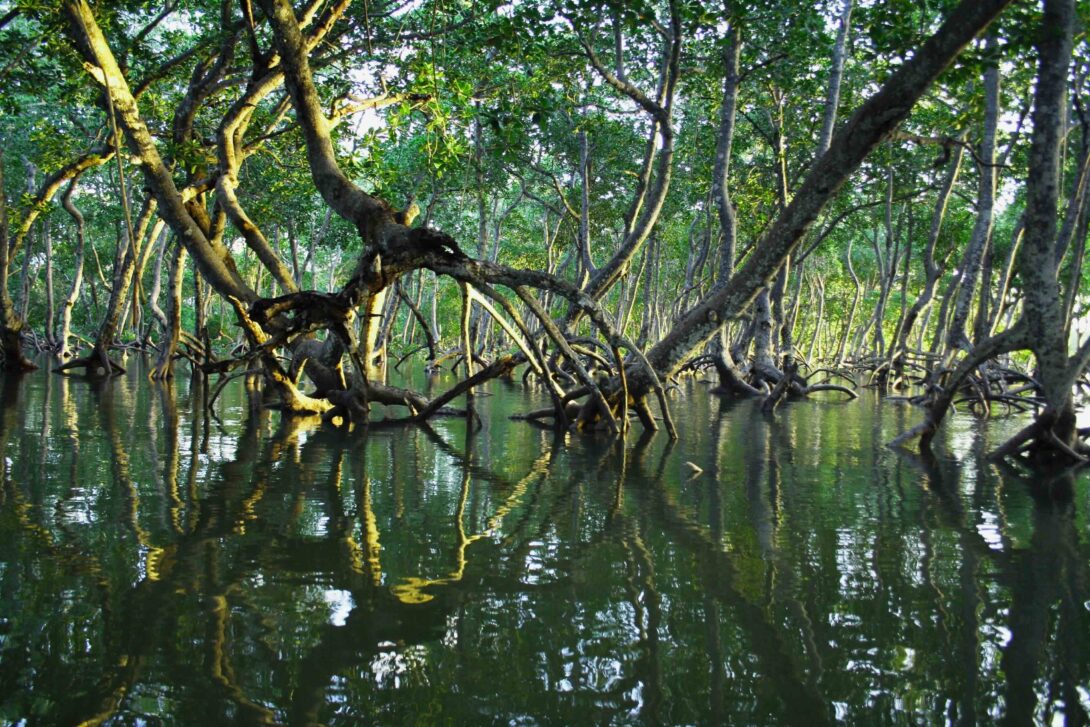
My community is forest-, mangrove-, and lagoon-based. These ecosystems provide food, livelihoods, transport, and culture, and we have protected them for generations through collective stewardship and traditional knowledge. Today, the climate patterns we once understood are breaking down. Hurricanes are stronger and closer together. Droughts are harsher. Crops are lost, fishing is more dangerous, and one climate shock can cut remote communities off from schools, health care, and markets.
My community’s story is not unique. Around the world, Indigenous Peoples, Afro-descendant Peoples and local communities protect the forests, rivers, mangroves and food systems the world depends on, while receiving only a fraction of the climate finance needed to sustain that work.
For the United Kingdom, the urgent question is not only how much climate finance is provided, but whether it reaches the communities best positioned to use it. Too often, funding is routed through large institutions with complex accreditation systems, rigid reporting requirements, and project designs created far from the people they are meant to serve. By the time support reaches the ground, it is often too small, short-term, or inflexible.
Climate finance does not operate in a vacuum. For Indigenous Peoples, Afro-descendant Peoples and local communities, access to funding is tied to whether land and resource rights are recognised. Without secure rights, communities are often left out of decisions that shape their territories and face greater barriers to protecting forests, restoring ecosystems, adapting food systems, and sustaining livelihoods.
Securing land rights is therefore not separate from climate finance. It is one condition that allows climate finance to succeed. When communities have recognised rights and resources to manage their territories, they are better able to prevent deforestation, protect biodiversity, and build resilience as climate shocks worsen.
Direct finance changes that relationship. Mechanisms such as the Community Land Rights and Conservation Finance Initiative (CLARIFI), an initiative of the Rights and Resources Initiative, show what this can look like. As an Indigenous- and community-led climate finance mechanism, it moves funding closer to people on the front lines of the crisis.

This approach treats communities as leaders, implementers, and partners. It allows them to decide what adaptation looks like in their territories, including strengthening local governance, restoring forests, protecting water systems, supporting women’s leadership, defending land rights, investing in monitoring technology and combining traditional knowledge with new tools. It also reduces the bureaucratic burden that too often falls on communities least resourced to carry it.
This does not mean abandoning accountability. It means broadening what accountability means. Donor compliance, reporting templates and audits matter, but good finance should also be accountable to the communities whose territories, rights and livelihoods are at stake. Communities should know where funding is going, help design projects, give or withhold free, prior and informed consent, and monitor whether work delivers real benefits. Transparency, local governance and community-led monitoring make finance legitimate, effective, and durable.
By regranting directly to Indigenous and community-led organisations, CLARIFI helps absorb administrative burdens while allowing communities to set priorities. It has supported Indigenous recognition, land titling, territorial monitoring and satellite internet in Peru; land demarcation, conflict mediation, restoration and community forest management in Togo; and customary land ownership certificates for women in Cameroon.
The United Kingdom can help move this approach from exception to norm. It can set clearer targets for how much climate finance reaches Indigenous Peoples, Afro-descendant Peoples and local communities directly. It can require greater transparency from intermediaries, simplify access criteria, support fiscal sponsorship where communities lack legal personhood, and fund long-term core support rather than only short project cycles. It can place women’s organisations at the centre of climate finance design, not as an afterthought. It should also embed community-led financing in multilateral funds and emerging mechanisms.
The climate crisis is already forcing communities to adapt faster than finance systems are willing to change. The United Kingdom should not ask the people holding the front line to navigate systems built without them.
Direct climate finance is an investment in proven stewardship, rights, resilience, and a more effective global climate response.

Deborah Sanchez is the Director of the Community Land Rights and Conservation Finance Initiative