Why adapting to extreme heat should be a national priority
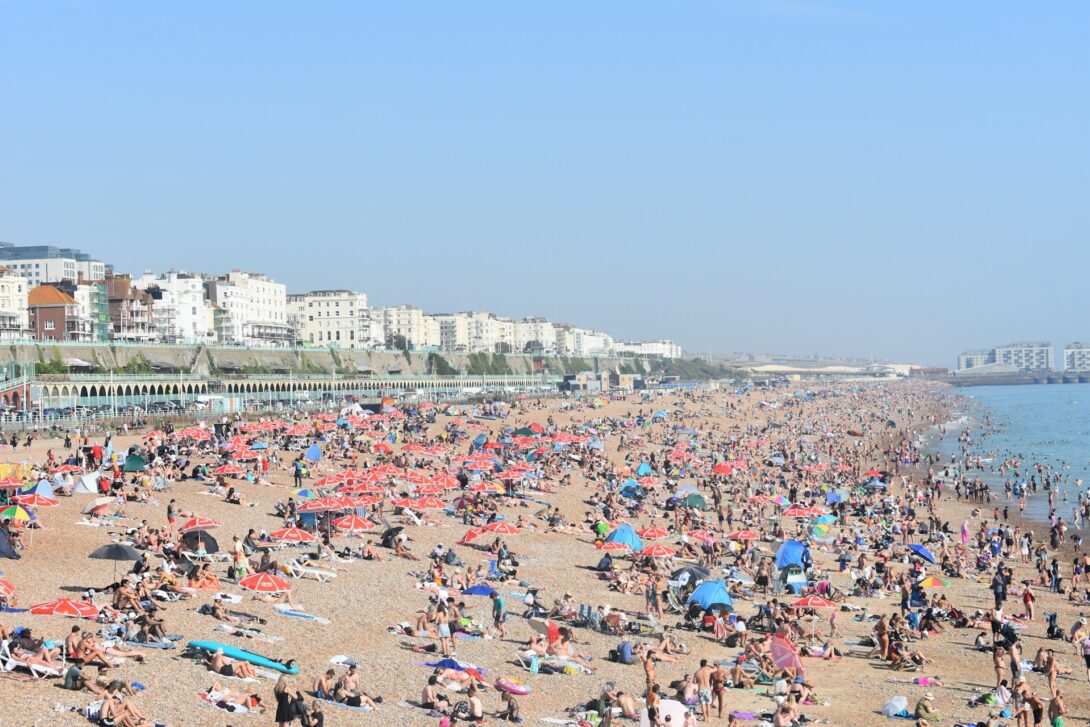
As we are experiencing another period of hot weather, it’s clear that extreme heat is no longer a rare event in the UK.
Successive heatwaves over recent summers have pushed temperatures into territory once considered exceptional. The science is unequivocal – these conditions will become more frequent and more intense, with 30°C+ days becoming significantly more common. While year-to-year variability remains, meaning that cool, wet summers will still occur, but the odds of extreme heat keep rising.
And while many of us might welcome a break from the stereotypically grey British weather, the reality is far more serious. Extreme heat is taking a growing toll on health, infrastructure and agriculture, while also driving up wildfire and drought risks — when heatwave demand spikes, it exposes real vulnerabilities in our water supply.
What concerns me most is the gap between risk and readiness. Temperatures are rising, but our level of preparedness is not.
This matters because heat is already the deadliest single climate-related health threat in the UK. Thousands of people die each year during hot weather. Without action, heatwaves could cause up to 10,000 additional deaths a year by 2050. The impacts are not evenly felt. Older people, those with underlying health conditions and communities in more urban or deprived areas are disproportionately affected.
As a member of the Climate Change Committee, I have looked at the evidence and explored what is needed to address the extreme heat challenge, as described in our recent Well‑Adapted UK report: The good news is we know what needs to be done, we know how to do it, and we know how much it costs.
Protecting people from extreme heat will require much greater investment in cooling, particularly across public services like hospitals, schools and care homes. That includes expanding access to cooling technologies such as air conditioning and heat pumps where appropriate but also making far better use of passive measures like shading, ventilation and green infrastructure. Simple interventions, such as planting trees or designing buildings to reduce heat gain, can be highly effective. A combination of low-cost passive measures, and targeted active cooling is the most cost-effective approach.
I recently spoke to the Environmental Audit Committee in Parliament for their enquiry into extreme heat and touched on how our homes and built environment illustrate the scale of the challenge. By mid-century, up to 92% of homes could be at risk of overheating.
Yet we continue to build new homes that fail to account for higher temperatures, often lacking basic features like external shading or adequate ventilation – passive cooling measures that can make a significant difference. At the same time, progress on retrofitting existing homes remains too slow.
Integrating climate risk management and emission reduction in retrofit projects can further reduce costs and disruption: heat pumps with both heating and cooling functions cut overheating risk while reducing emissions; solar panels can power active cooling and ease grid pressure during heatwaves, with battery storage shifting power into cooler evenings; and adding shading when upgrading glazing shares labour and scaffolding costs.
Without a step change, we risk locking in vulnerability for decades to come, particularly for those who are already the most exposed.

The CCC also recommended that government considers introducing a national maximum temperature for workplaces. Workers, particularly those in physically demanding jobs or in poorly ventilated environments, need clearer protections. Setting expectations would not only safeguard health but also encourage employers to invest in cooling solutions.
When I speak to colleagues in the private sector, they are clear that direction matters. Businesses need consistent signals and long-term clarity from government. Where expectations are clear – whether in building standards or worker protections – innovation and investment tend to follow.
Adapting to extreme heat should not be seen as a niche concern or something that can be delayed. It should be a national priority, aligned with efforts to reduce emissions. Even in the most optimistic scenarios, we will continue to experience rising temperatures in the coming decades. Preparing for that reality is not optional – it is essential.
We’re lucky that the UK has the expertise and the evidence base to get this right. But what we need now is urgency. Without it, each heatwave will bring disruption and harm, reminding us again that we knew the risks but failed to act in time.

Prof Swenja Surminski is Managing Director Climate and Sustainability at global risk management and professional services firm Marsh. She is also Professor in Practice at the Grantham Research Institute, part of the London School of Economics, and the elected Chair of the not for profit MCII, the world’s longest running think tank on climate insurance and resilience solutions for most vulnerable communities, hosted by United Nations University in Bonn.