Why Prevention is the Future of Scottish Health
“It’s the economy stupid” has become one of the best-known political catchphrases of all time. It was coined by James Carville, an adviser to Bill Clinton’s 1992 Presidential campaign and written as “The economy, stupid” on a whiteboard in their campaign headquarters.
Less well known is that this phrase was the second of three on the board and it’s the third one that has been a defining driver for my career in politics, namely “Don’t forget healthcare.”
When we talk about health and healthcare, we often assume that this only means the NHS, but that’s far from the whole story. Our health is affected by a vast range of factors, not just how long it takes to see a GP or get treatment. Many of the conditions that take people into the NHS, whether briefly or for years of treatment and management are preventable. Being able to live a healthy, active lifestyle can reduce the chances of developing any number of conditions; from heart attacks and strokes to type-2 diabetes and even some cancers.
As a former professional athlete, I’ve long advocated for a greater emphasis on healthy, active lifestyle in our approach to health in Scotland. But while most parties at Holyrood now speak about the importance of prevention to the future of the NHS, they are less clear on what that looks like in practice.
We’ve known for a long time that an unhealthy lifestyle increases your risk of developing numerous conditions. Which is why we’ve all encountered campaigns to quit smoking, drink less, eat more healthily and get more active. Yet despite this, Scotland remains one of the unhealthiest nations in Europe.

GLP-1 drugs like Ozempic are being held up by some as the silver bullet to reducing obesity and, by extension, many of the obesity related conditions that cost the NHS millions of pounds a year. I don’t see them that way. Not because I doubt their efficacy, but because they’re relatively expensive and their effects don’t last. They might ease the path to better habits, but people still need to be able to combine that with increased physical activity and better diet if they want to see any kind of lasting change.
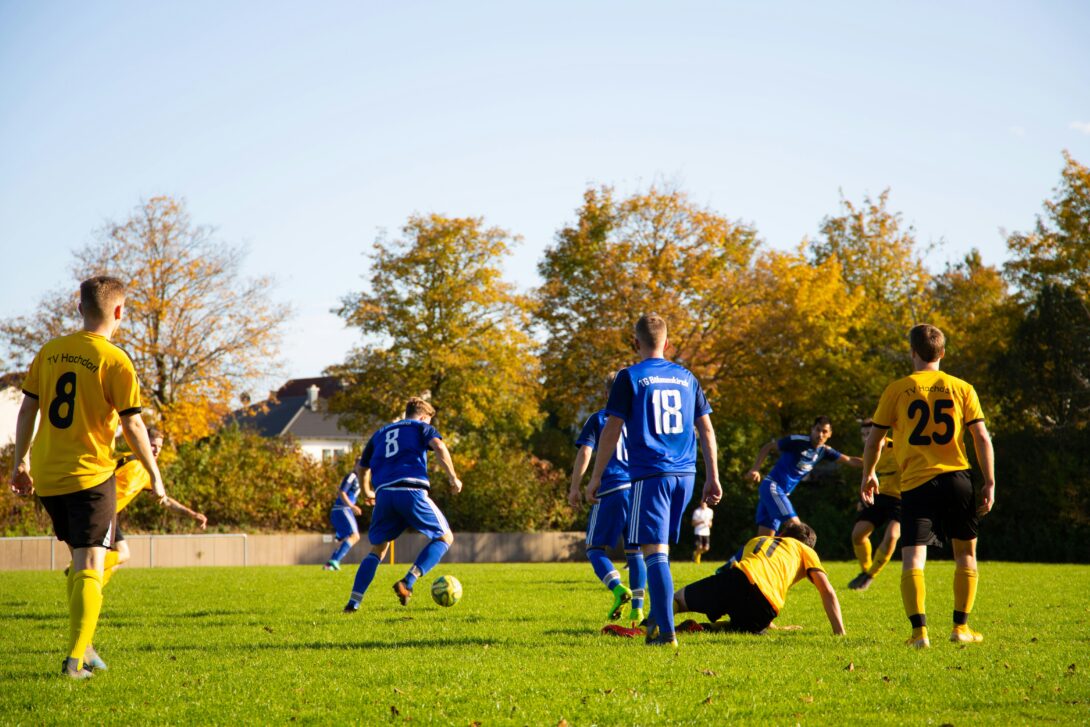
That’s why so much of my focus in Holyrood hasn’t been on helping people to become healthier; it’s been about making sure they can stay healthy. That’s not something we can achieve with poster campaigns or miracle drugs. We achieve that through things like supporting grassroots sports clubs, protecting local authority facilities from closure, making it easier for local farmers and food producers to supply schools and hospitals, and giving third sector and community groups secure, long- term funding.
A huge element of improving public health is about creating an environment where it’s as easy as possible to be healthy and understanding that for most people that doesn’t mean hitting the gym three times a week and living a carb free life. Which is why, for all that I’m a believer in the power of sport, I tend to talk about sport & physical activity rather than sport alone. And why I believe the third sector is so vital to improving public health. From community stroke rehab groups like the Killie Heartmates in my South Scotland region, to local art or music or drama clubs, there are so many ways that the third sector helps people protect or recover their physical and mental health.
Achieving a genuine shift to a more prevention focused model of healthcare isn’t a quick process and, like any decision around health spending, it will involve trade-offs. But over time, shifting funding incrementally upstream, from hospitals to GPs and further into the wider community. This isn’t a job that can realistically be achieved in one five-year term of any parliament, but it’s a change where there is a strong, cross-party consensus forming, and in Scottish politics, that’s a rare thing these days!
Done right, creating a more prevention focused healthcare system, alongside a long overdue investment in technology within the NHS, can be one of the most lasting transformations in healthcare since the NHS was founded. To achieve it, we need politicians from all parties who are committed to agree a way forward and to accept that the only way to secure the future of the National Health Service is to improve the health of the nation it serves.

Brian Whittle is a former professional athlete and Olympian. He was a Scottish Conservative Member of the Scottish Parliament between 2016 and 2026, spending much of that time as their spokesperson on public health issues.