It’s time for a water system that puts the public first
Who is our water system really designed to serve? If you ask my constituents in Shipley, they will give you a typically straight Yorkshire answer - not us.
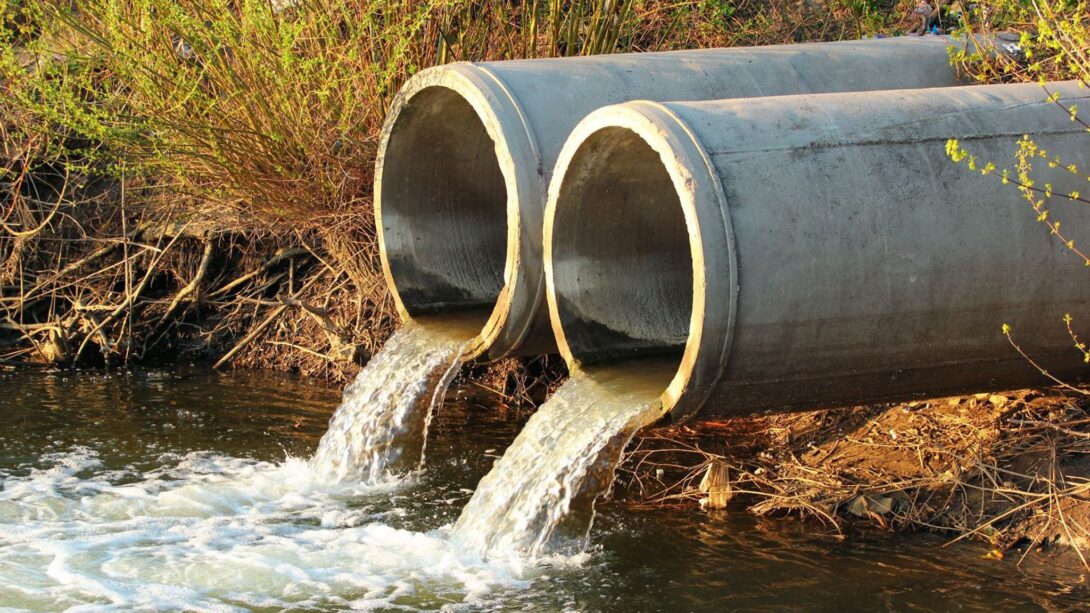
In 2023, the year before I was elected to Parliament, our privately owned water company dumped raw sewage into the rivers of my constituency for 8071 hours. That’s 333 days' worth of discharge, including human excrement, chemicals, pollutants, microplastics and household wastewater, pumped into our cherished River Aire and River Wharfe.
All the while, bills have skyrocketed over the last decade, with a further 41% rise planned over the five years from 2025. But it is not just my constituency where murky water, thick foam, and unpleasant smells in our waterways have become an appalling reality. In its most recent State of Our Rivers report, The Rivers Trust stated that “No single stretch of river in England is in good overall health”.
Less than two decades ago, the UK prided itself on having some of the cleanest rivers and lakes in the world. Today, barely 15% of English stretches meet good ecological standards. Let’s be honest about how we got here.
In 1989, Margaret Thatcher’s Conservative Government sold off the UK’s water supplies and privatised the industry. This decision ushered in an era in which the drive for private profit has overridden any concern for the environment, and the general public has borne the brunt, with rising bills, declining service standards, and environmental degradation.
Let’s take Yorkshire Water, as an example. In 1990, the Conservatives used a massive £559 million of taxpayers’ money to pay off the company’s debts. They then sold the organisation, which had assets valued at £11 billion, for just £660 million. Even though I’m not an investor, I’d say that’s a good deal. Since then, Yorkshire Water shareholders have withdrawn almost £10 billion from the company, while less than a fifth of that amount has been spent on improving and building new infrastructure.
At the same time, they have been paying excessive dividends, increased debt levels to a staggering £7.4 billion, and set up complex corporate structures, all of which have reduced their financial resilience.

And it is the customers who are now paying for it. I can see the impact of this in my very own water bill, which shows that 23% is used just to finance debt, while only 17% is spent on infrastructure investment.
The company has failed in its duty to maintain our water infrastructure, leaving us with leaking pipes and a reservoir system that is now struggling to cope with the pressures of climate change and increased demand. But Yorkshire Water is not an isolated case. Make no mistake about it, today, the water sector in England is in a precarious state.
While campaigning for my seat at the 2024 general election, I pledged to tackle the scandal of sewage dumping in our local rivers. I welcome the action this Labour Government has taken so far to deliver on that promise, including banning bonuses for the bosses of failing water companies and proposing to create a new single regulator.
But we need to go much further and faster. During my work on the Public Accounts Committee, where we have undertaken reports on water and environmental regulation, it became clear to me that the only solution to problems of this scale is to explore alternative ownership models for failing water companies, including mutual or stakeholder ownership boards.
This does not need to be a step back in time to 1970s-style nationalisation. With further water reform set to come in the next parliamentary session, I am urging the Labour Government to begin using its Special Administration Regime powers to take control when companies become financially insolvent, as Thames Water is now.
In such a scenario, where the government can revoke the company's licence, shareholders do not need to be compensated for their equity, making this a viable option for at least temporary public ownership. It is important to remember that this debate is about more than just who owns our water pipes and runs our sewage treatment.
It’s about shifting the balance of power in the industry away from distant, out-of-touch boardrooms and back to the people and communities who depend on clean, affordable water. The people of my constituency, and across the country, deserve better.
Clean rivers, fair bills and a water system run in the public interest should not be too much to ask for. It’s time for the government to be radical and build a model with fairness, accountability, and environmental protection at its core. It’s time to take back control of our water.

Anna Dixon is a British Labour Party politician who has served as Member of Parliament for Shipley since 2024. Representing a West Yorkshire constituency with a diverse mix of urban and rural communities, Dixon secured her parliamentary seat during the 2024 general election, contributing to Labour's electoral success in that cycle.