BBC blind to its own bias
The BBC fails to see frequently have more than two sides and that balance also applies to the topics discussed and the questions posed, argues John Redwood.
The BBC regularly says it must be getting it right because both sides accuse it of bias. The problem is there are more than two sides in many cases.
I have never argued the BBC is biased against the Conservatives and in favour of Labour. I understand the lengths they go to criticise both Conservative Ministers and Opposition Spokesmen, and grasp their idea of balance, offering an alternative view in many cases.
The issue of bias and alternative truth takes more subtle forms. There is firstly the bias in the selection of stories. The BBC loves running endless Brexit and climate change stories. It loves making other news items into Brexit or climate change stories, when many of us think there is little or no link. There is the endless sourcing of "the government should spend more" stories, because there are so many lobby groups with that as an objective. People who want less government, who like Brexit, or are sceptical about the theory that man-made CO2 is driving damaging climate change do not feel properly represented. Scientists are not interviewed with a view to highlighting errors, inconsistencies and poor research in the way politicians are.
Then there is the unintentional bias of the questions. Ministers are regularly put under pressure for not spending enough. It is very rare to hear Ministers under pressure for spending too much, for presiding over government waste, for failing to find cheaper and better ways of doing things. There is nearly always an automatic assumption that spending a lot in any specific part of the public sector is good, and spending more is even better. There is little probing behind the slogans to find out what the real numbers are, and to ask why in some cases so much is spent to so little good effect.
There is the permanent anti Brexit bias in many scripts and questions. The interviewer or journalist starts from the assumption that Brexit must be damaging. Good news is then recorded "despite Brexit", often with a caveat that it could deteriorate in the future when Brexit bites more. Never do you hear an interviewer asking the other side to comment on how the Brexit vote has triggered higher car output, more homes being built, higher consumer activity, better confidence levels.
Prior to the referendum there was always a bias against Brexit or Eurosceptic speakers. We had to be introduced with unflattering descriptions, interrupted more, and usually assumed to be wrong. I remember when I was warning about the banking crash and had a proposal on how to handle it, I was competing with Lib Dem Vince Cable. I wanted controlled administration of overstretched banks – the system they now say they will use in future – whilst he wanted bank nationalisation. He got many more interviews than I did. He was often introduced as an expert because he had had a former job as an economist at Shell. I was introduced as a Eurosceptic with my past roles in business and investment ignored, though they were more relevant experience.
I'm all in favour of them asking me tough questions, but I just want them to do the same for all the so-called experts as well.
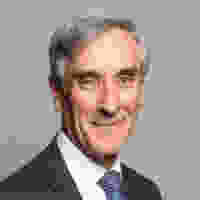
John Alan Redwood, Baron Redwood, is a British politician and academic who represented Wokingham in Berkshire as Conservative Member of Parliament from 1987 to 2024. Born on 15 June 1951, he served as Secretary of State for Wales under John Major and twice stood unsuccessfully for the Conservative Party leadership during the 1990s. Following his ministerial career, Redwood held positions in the Shadow Cabinets of William Hague and Michael Howard before spending his remaining parliamentary years as a backbencher. Prior to entering Parliament, he earned a doctorate at All Souls College, Oxford and served as Director of the Number 10 Policy Unit under Margaret Thatcher.