Banning diesel, petrol and hybrid cars
If countries are serious about net-zero carbon dioxide output by 2050, they need to phase out new vehicles, new heating systems and new machines that still produce CO2 soon, argues John Redwood MP.
Norway wants to end diesel and petrol car sales by 2025. France intends to ban their sale from 2040. This week the UK announced a planned ban on their sale from 2035. Each country will be asked when they are going to ban these vehicles at COP26, the big international Green conference planned for the end of this year in Glasgow.
The thinking behind this is that if countries are serious about net-zero carbon dioxide output by 2050, they need to phase out new vehicles, new heating systems and new machines that still produce CO2 soon. They need to do so well before the cut off date for ending their use. Many of these substantial investments or purchases last for many years. They are replaced with long gaps, particularly for domestic heating, so governments have to think ahead.
The issue of vehicles poses a range of problems for legislators as the government wishes to go this route. Will there be any exemptions for defined classic and vintage vehicles that people wish to keep as part of our heritage? When it comes to banning the use of these vehicles as opposed to just stopping the purchase of new ones, will there be any compensation to those who have old vehicles that still work and which they rely on? How will all these vehicles be scrapped to put them beyond use?
The aviation industry is suggesting that maybe it can meet targets if it is allowed to burn plant-based fuel or fuel from waste rather than aviation spirit from oil. If planes are allowed this, presumably surface transport could also use this method rather than having to go electric. Electric vehicles still have problems with torque for larger vehicles and heavier loads. Different fuels may not in themselves offer zero carbon dioxide, so aviation may need other policy supplements.
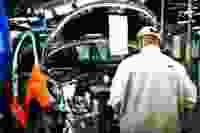
The government is probably concerned that last year,2019, only 1.6% of the cars registered in the UK were all-electric despite a £3500 subsidy for each vehicle. Conventional diesel and petrol cars were over 90% of the market. The policy to move to ban these popular vehicles has already hit demand and factory output for them. This new announcement is likely to put more people off buying new diesel and petrol vehicles and hybrids as well, but may not persuade them yet to buy a new electric. It may also deter manufacturers from developing the new hybrid models some are planning if the opportunity to sell them is now only through a narrow window before banning in 2035.
Many potential buyers are awaiting lower prices, more subsidy, some reassurance about how electric cars will be taxed, better range, more charging points, faster charging and many other features. Some are also waiting to see if an alternative technology emerges to meet the CO2 requirement without relying on a battery.
Meanwhile, governments are impatient to reduce or remove subsidies to electric cars. The UK subsidy is scheduled to be phased out in due course, whilst China withdrew subsidy at the end of last year. There is also the large looming issue of how will the tax gap be made up if there is wholesale conversion to electric, which will hit the big taxes raised on petrol and diesel.

John Alan Redwood, Baron Redwood, is a British politician and academic who represented Wokingham in Berkshire as Conservative Member of Parliament from 1987 to 2024. Born on 15 June 1951, he served as Secretary of State for Wales under John Major and twice stood unsuccessfully for the Conservative Party leadership during the 1990s. Following his ministerial career, Redwood held positions in the Shadow Cabinets of William Hague and Michael Howard before spending his remaining parliamentary years as a backbencher. Prior to entering Parliament, he earned a doctorate at All Souls College, Oxford and served as Director of the Number 10 Policy Unit under Margaret Thatcher.

Most Popular



More from Technology