Where the System Falls Short on High Streets — and How We Fix What Isn’t Working
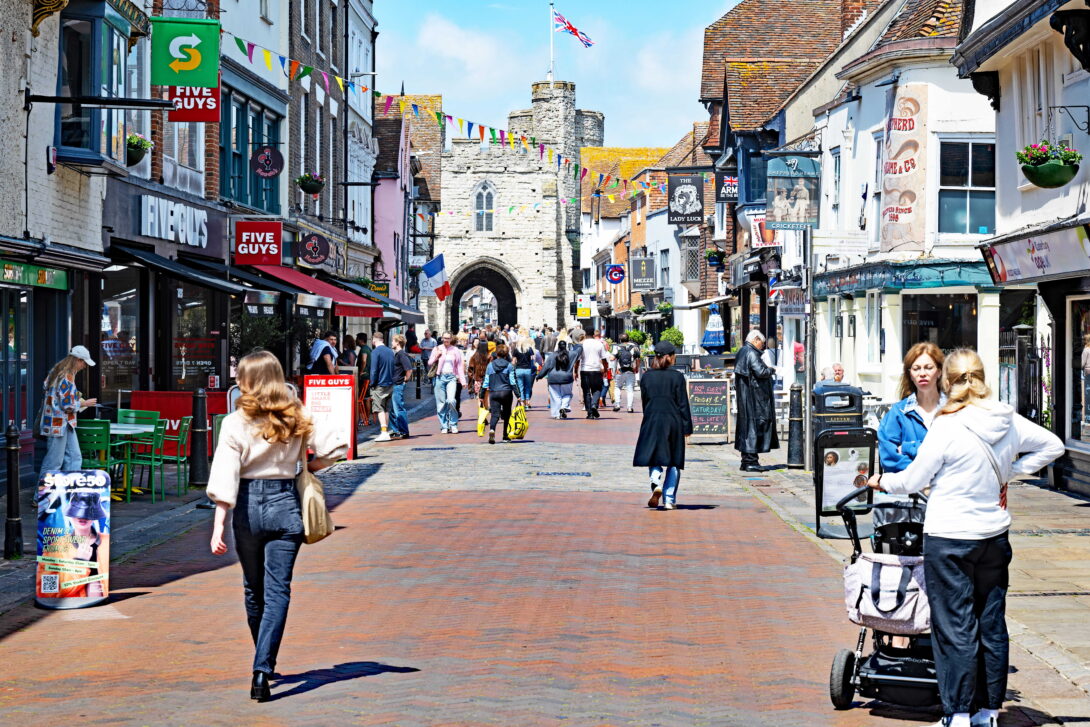
Revitalising the high streets is one of my top priorities for 2026 — and it is an issue residents raise with me time and again. Across the constituency, residents are rightly concerned by what they see: too many empty units, anti-social behaviour and a dominance of vape and betting shops.
Our high streets should be places of pride. They should reflect the character, diversity and needs of our communities — not be hollowed out by vacant premises or dominated by dodgy shops that exploit loopholes while genuine, hardworking traders are left to struggle. Yet across the country, illicit and irresponsible businesses are undermining public trust, distorting local economies and damaging the fabric of community life.
That is why last year I launched the Shut Down Dodgy Shops campaign alongside my colleague, MP for Great Grimsby and Cleethorpes, Melanie Onn. We have pushed for tougher action against law-breaking businesses, stronger enforcement powers for councils, and met directly with the Home Office to demand change. I am pleased that this campaign has now been recognised by government, with funding allocated in the recent Budget to support enforcement activity.
I share residents’ frustrations. Change can feel slow, and there is no quick fix. But I am working closely with government, Greater Manchester Police, Trading Standards and the council to take coordinated action and shut down dodgy shops wherever possible.
The reality, however, is that current legal and regulatory constraints mean enforcement powers are too limited and too many premises fall outside the scope of the current licensing system, leaving councils with limited powers to intervene. Even when enforcement is successful, some operators simply close and reopen under a new name, exploiting gaps in the system. I am determined to push for reforms to stop this cycle.
Closing a business often requires repeated evidence of wrongdoing, formal warnings, improvement notices and lengthy court processes. Enforcement action cannot be based on reputation or widespread concern alone; authorities must meet a high evidential threshold, demonstrating repeated offences and clear patterns of harm. That is why community reporting is vital — without detailed, consistent evidence, authorities are often unable to act quickly.
This problem is particularly acute when it comes to gambling. The Gambling Act 2005 is out of date and strips power away from local communities. Even when residents, councils and public health professionals voice their concerns and object, the law often leaves authorities unable to prevent new betting shops and adult gaming centres from opening.
The evidence is clear: high concentrations of gambling premises are linked to increased gambling-related harm, especially in areas of deprivation. They undermine the diversity and vitality of high streets, crowding out family-friendly businesses and deterring wider investment.
Revitalising our high streets also means creating the right conditions for genuine businesses to thrive. Bringing empty properties back into use with the support of High Street Rental Auctions powers can help unlock vacant units and support local growth.
I am also continuing to work closely with backbench colleagues to push for the reduction of business rates. By reforming business rates, we can create a fairer system that rewards investment, encourages new businesses to open in vacant premises, and gives independent traders the stability they need to plan for the future.

This is about ensuring our high streets remain vibrant, diverse, and rooted in the communities they serve.
Alongside this, I am exploring options to improve parking and boost footfall, while working with the local police force to tackle and reduce anti-social behaviour.
While the challenges facing our high streets are real, I remain optimistic about what we can achieve. Across Leigh and Atherton, I see dedicated local traders, active community groups and local businesses who care deeply about the future of our town centres. With the right powers, fairer rules and sustained investment, our high streets can once again become vibrant, welcoming spaces. I am determined to keep pushing for that future — and to make sure our communities are always at the heart of the decisions that shape it.

Joanne Marie Platt is a British Labour and Co-operative politician who has represented Leigh and Atherton in Parliament since 2024. Born on 15 June 1973, she first entered the House of Commons in 2017 when she was elected as Member of Parliament for Leigh, a position she held until 2019. Following a period outside Parliament, Platt returned to Westminster in 2024 to serve the reconfigured constituency of Leigh and Atherton, resuming her parliamentary career and continuing her representation of communities in Greater Manchester.