The pendulum of populism is swinging left
For the past decade, populism has been a powerful force in Western politics, but almost exclusively from the right. From Donald Trump in the US to Boris Johnson and Nigel Farage in the UK, anti-establishment rhetoric has been weaponised to mobilise anger, resentment, and alienation. Now, however, there are signs that the pendulum may finally be swinging back. A new breed of left-wing populist movement is starting to gain traction, particularly in the UK and the US.
Populism has been central to the right’s recent political successes. Figures like Trump and Farage framed politics not as a contest between policy platforms, but as a moral struggle between “the people” and corrupt elites. In the US, Trump tapped into real economic grievances among working-class voters hollowed out by deindustrialisation and the rise of transnational corporations. But instead of directing anger upward at corporate power or political capture, he redirected it sideways and downward, turning migrants into the primary enemy.
In doing so, traditional class conflict was recoded into a cultural one. The opposition was no longer between workers and corporate elites, but between hard-working Christian Americans and out-of-touch liberal advocates for abortion and homosexuality. Economic insecurity became framed as the result of immigration, misguided “woke” culture, and federal overreach, rather than structural inequality.
A similar strategy has been deployed in the UK by Nigel Farage. As the cost-of-living crisis worsens, the job market tightens, and NHS waiting times spiral, Farage has channelled public frustration toward external forces: the EU, migrants, and threats to British sovereignty. His fixation on small boats crossing the Channel deliberately evokes D-Day-esque imagery of invasion and national emergency, transforming complex social failures into an emotional spectacle with a clear villain.
However, populism of this kind has a short expiry date. Anti-establishment rhetoric tends to lose credibility once its champions gain power. Trump’s words on Truth Social do not ring the same when delivered from the Oval Office, flanked by billionaires and corporate donors, amid reports of a $400 million White House ballroom construction project.
Until recently, the left’s response to right-wing populism has been tepid. In the US, fatigue with Trump led voters in 2020 to rally behind Joe Biden, largely out of exhaustion rather than enthusiasm. While Biden’s presidency began with hope, it soon ran into a familiar problem: an inability to meaningfully address the sources of public discontent. As inflation rose and wages stagnated, voters were repeatedly told that the economy was doing incredibly well. Being informed that your struggles are illusory is not a winning political strategy, and Biden certainly lacked the charisma or conviction to deliver it.
The result was predictable. Trump was able to re-energise his base and mount a successful comeback by promising, once again, to make everyday life more affordable, with many voters willing to forget his first term, hoping that he might deliver the relief they felt was missing.
A similar dynamic appears to be emerging in the UK. Keir Starmer’s Labour Party won power largely as the only viable alternative to a Conservative government that had visibly run out of ideas. But in the months since the 2024 election, Starmer’s approval ratings have reportedly fallen sharply, driven in part by efforts to reposition Labour to the centre, subsequently alienating its left-wing voter base. This creates fertile ground for Farage and Reform UK, who are already capitalising on dissatisfaction with the Labour–Tory duopoly and increasing their vote share.
What’s different now is that the left is beginning to respond, not by retreating further into centrism, but by rediscovering populism itself.
In the UK, Jeremy Corbyn and Zarah Sultana have broken decisively with Labour to launch Your Party, positioning it as a genuine alternative to both major parties. Within months, it attracted nearly a million online sign-ups and tens of thousands of members, demonstrating the appetite for a more confrontational, anti-establishment left.

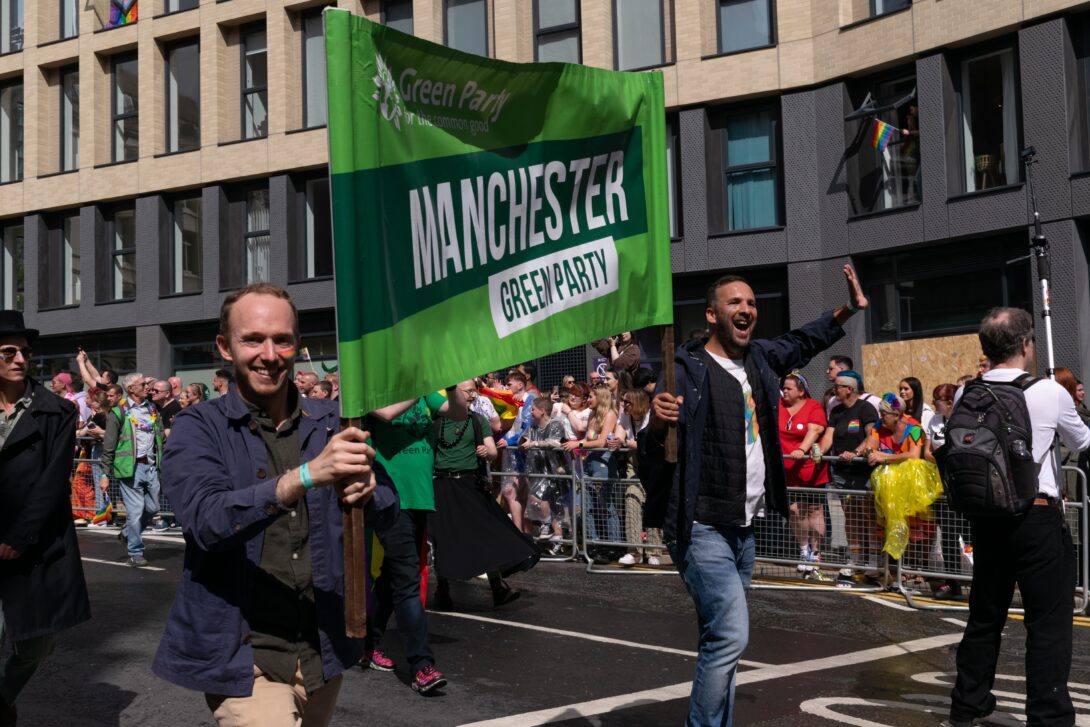
The Green Party, too, is shifting its approach. Under its new leader, Zack Polanski, it has moved beyond a narrow environmental focus to speak directly to broader economic anger. Rather than blaming migrants or external institutions, Polanski targets billionaires, tax avoidance, and extreme wealth concentration as central causes of Britain’s problems.
Across the Atlantic, Zohran Mamdani’s success in New York City follows a similar pattern. By foregrounding affordability, housing, and the daily struggles of working-class residents, he has shown how left-wing populism can mobilise voters without resorting to scapegoating.
This emerging wave of left populism is a healthy development for democratic competition. It raises the bar for political discourse, disrupts political coasting among incumbents, and fosters direct engagement with systemic problems. Instead of cycling endlessly between uninspiring centrists and reactionary populists in revolving-door systems of government, we may finally be offered something better: politicians who give people something to believe in, rather than someone to simply vote against.

Rian Wilson is a recent MPhil graduate in Philosophy from University College London and Non-Fiction Editor for Phi Magazine.