Wales is paying for England’s railways: that should end now
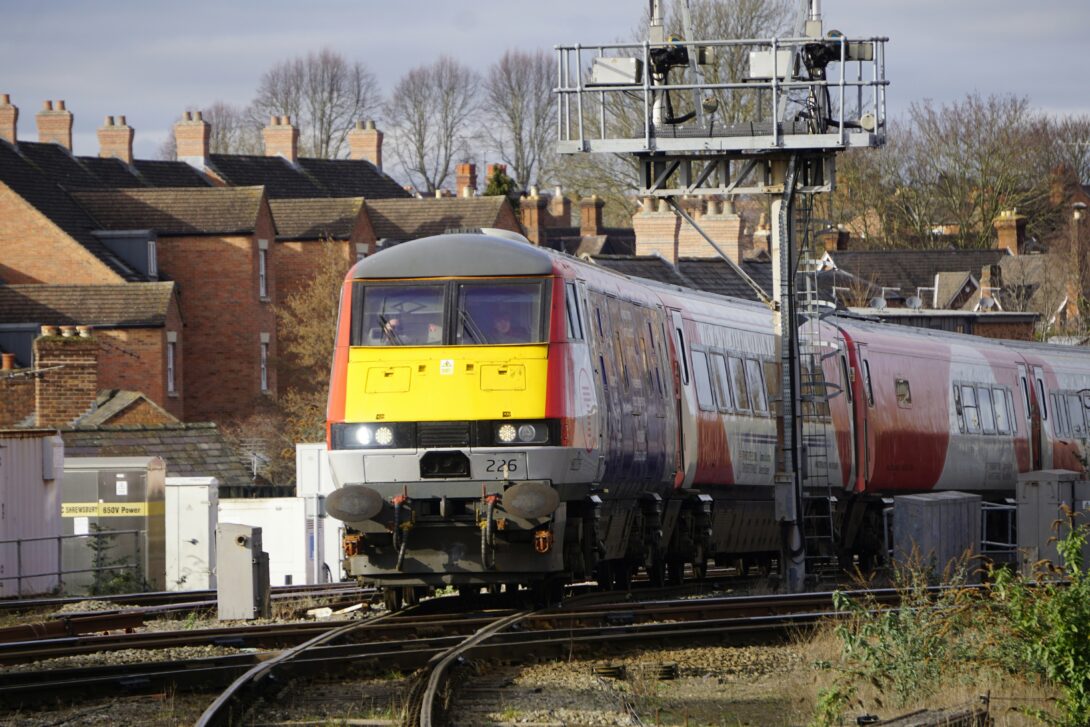
Since being elected to represent Caerfyrddin, the journey from west Wales to Westminster has become part of my weekly routine; 200 miles east on a Monday, home again on a Thursday, always by train.
As the train crosses the border, nothing appears to change, yet the past year has shown me that while the boundary is invisible, the funding gap between England and Wales is anything but. That contrast between what is seen and what is felt mirrors Wales’s experience of the rail system itself. On paper, we are told that investment is shared, and decisions are balanced. In practice, the lines on the map tell a very different story, exposing years of underinvestment and political choices that have consistently overlooked Wales.
As Plaid Cymru’s Transport Spokesperson in Westminster, I have asked what should be a straightforward question: why are major rail schemes in England routinely classified as “England and Wales” projects when not a single centimetre of track comes anywhere near the Welsh border? HS2, the Oxford– Cambridge line and now Northern Powerhouse Rail all fall into this category. The geography is obvious, yet the Treasury’s map seems to place Wales somewhere in the middle of England.
The consequences of this sleight of hand are far from abstract. By labelling these schemes as “England and Wales” projects, the UK Government avoids paying money through the Barnett formula to Wales. Scotland and Northern Ireland receive funding; our nation receives nothing.
Wales stands to lose around £6 billion from these so called “England and Wales” projects, money that could transform our nation’s dilapidated rail provision. This imbalance is felt directly in communities like mine. In Caerfyrddin, constituents consistently raise the same basic concerns: welcoming stations, safe platforms, reliable services and long-promised upgrades across west Wales. These are not extravagant demands. They are the minimum any modern rail system should deliver. The lack of investment or priority given to Wales is reflected in the Railways Bill going through Parliament.
The Bill may make sense for England. It creates Great British Railways, bringing track and train together to simplify planning and operations. But for Wales, it misses the point entirely. Today, Wales is the only nation in the Union without control over its own rail infrastructure. This is the nation that built the world’s first steam locomotive and supplied the steel and coal that once powered the UK network. The irony is hard to ignore.

Without devolving rail, the Bill locks Wales into an “England and Wales” framework it neither designed nor controls. Welsh ministers will be consulted on the future of the Welsh rail network, but they will not decide. Scotland, by contrast, retains full responsibility for its rail infrastructure and will work with Great British Railways as an equal partner. Wales is left watching from the platform.
This frustration is reinforced every time another promise to Wales is quietly dropped, whether the electrification of the South Wales Main Line beyond Cardiff or long-discussed plans for north Wales. Wales does not need more consultation. It needs authority: the power to take decisions about its own network and to invest in the infrastructure its communities deserve.
It was therefore striking to hear the Welsh First Minister acknowledge this imbalance so plainly in her recent speech to the Institute for Government. “Wales currently receives less per person than England in many non-devolved areas,” she said. “On rail infrastructure, Wales receives only 1% of funding despite having 11% of the track. This must change.” Her words echo what passengers across Wales already know: where Wales controls services, outcomes improve; where it lacks control, it loses out.
I raised the issue of Welsh rail underfunding directly with the Transport Secretary in the Commons, her response to me, however, was dispiriting. While conceding that Welsh infrastructure has faced underinvestment, she presented the Government’s offer: £445 million over ten years - as something Wales should welcome. When the shortfall stands at £6 billion, gratitude is not the answer. Fairness is.
Wales is not asking for special treatment. We are asking for parity: the ability to steward our own rail network, invest according to our own priorities and ensure that decisions taken in London no longer siphon away funding meant for Welsh communities. My weekly journey has shown me that while the physical border between England and Wales may be subtle, the political one remains stark.
Until rail is devolved, that gap will persist, and Wales will continue to buy the ticket without ever taking the journey.

Ann Davies is the Plaid Cymru MP for Carefyrddin, and has been an MP continually since 2024.