He's Not the Messiah, He's a Very Naughty Boy: Can Andy Burnham Rescue Labour from the Abyss?
After the Makerfield by-election triumph, 'King of the North' Andy Burnham was sworn in as an MP to much fanfare. The by-election had become a de facto referendum on the Labour leadership, garnering an unusually high turnout. Beating Reform's candidate by over 9,000 votes provided hope to a stricken Labour party which, staring down the abyss, was fearful of Labour's languishing opinion poll ratings, massive local election losses, and the prospect of defeat in the 2029 general election. No surprise there, since Labour was headed by the most unpopular Prime Minister since records began in the 1970s.
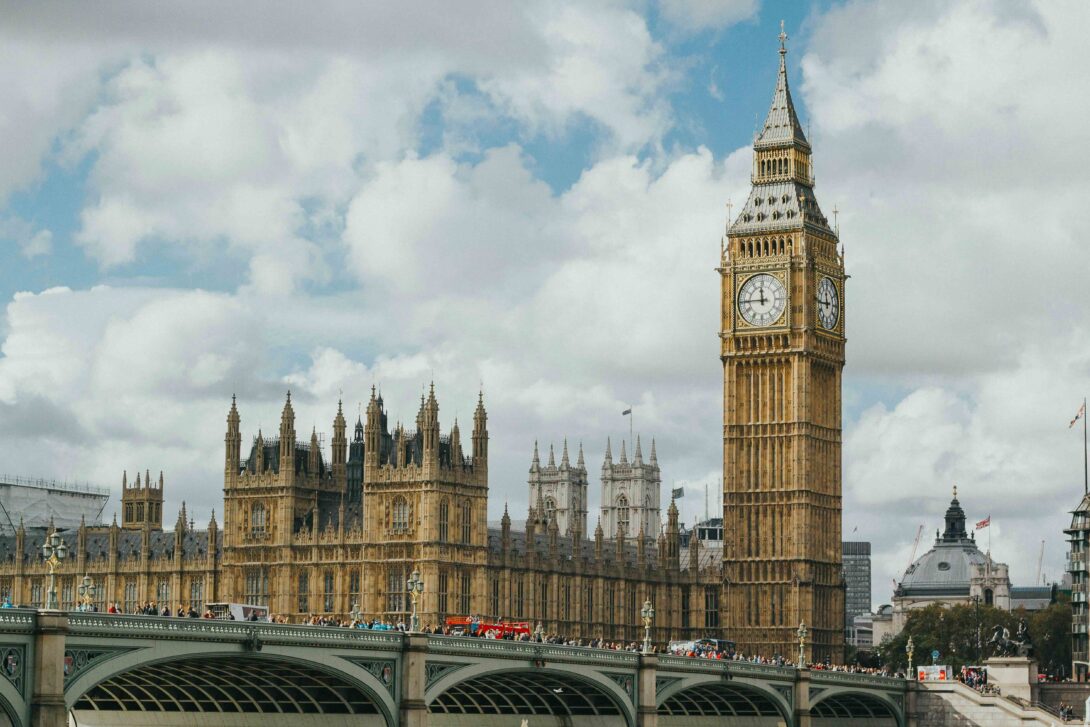
Not shy of using social media, Burnham arrived into Euston and then onto the House of Commons after a train journey from Manchester, much like a Roman general crossing the Rubicon to retake the Roman Republic. Then, that was civil war, and this time was no different. Like Julius Caesar in 49 BC, when an 'outsider' from the provinces was ordered to disband his army but instead arrived in the capital to take charge, all opposition melted away. Burnham had wisely used his time as Mayor of Manchester to rebrand himself and stay separate from first the Corbyn and then the Starmer mess. Labour MPs mobbed him on entry to the House; their saviour had come.
Recognising his number was up, Sir Keir Starmer organised a lectern outside Number 10 and uttered a few choice words about how great his government had been over his measly two years in office, and promptly resigned. Meekly, he set up a Labour Party leadership contest but didn't stand himself. In complete contrast, Sir John Major famously survived a 1995 leadership challenge by resigning the party leadership but not the Prime Ministership, telling his MPs to 'back me or sack me', and won.
Back to the swearing-in of Andy Burnham, and the opposition had a field day. Sir Desmond Swayne shouted 'Rome is saved', and after another opposition MP shouted 'he's not the Messiah', Burnham responded with 'no, just a naughty boy!' to much hilarity. The change in the House was palpable, but the question is: change to what?
That is a much harder question to answer. For a start, UK PLC faces major problems including anaemic economic growth, limited room for further taxation, millions of people locked out of the workforce due to illness and disability, massive electoral disillusion, large government debts, and serious demands for more defence cash given the geopolitical realities of the world today. Most people, including Sir Tony Blair, think an increase in the defence budget is fundamental, and that to fund it requires a cut in welfare spending, together with economic growth incentives. Sir Jeremy Hunt, a former Conservative Chancellor, is calling for an all-party agreement to bin the expensive 'triple lock' on state pensions.
So far, Burnham shows no indication of undertaking either policy should he become PM. He has declared that, if he does, he will keep to the Labour Party 2024 general election manifesto. Perhaps he wants to try to avoid the inevitable calls for a general election if he deviates from it. Cue Reform, busily bleating about the need for one now Starmer has gone and pointing out the hypocrisy of Burnham and his colleagues calling for one during similar Conservative leadership changes. The Conservatives, on the other hand, have refrained, pointing out the incompetence of the Labour leadership instead.

Calling a general election were he to become PM at this stage would be inadvisable for Burnham, contrary to Labour grandee Alan Johnson's advice, not least because, given how far ahead Reform are in the polls, they might well win it, and that's a risk Burnham doesn't need to take at this stage. Not going to the people does constrain him, though. If he wanted greater room for manoeuvre, he could do something more Swiss than British and organise a referendum. Organising one on ditching the pension triple lock might work and give him the headroom to rescue what is presently a dying Labour government. It would galvanise the nation around an important debate on its future and give him some spare cash to institute other policies.
We can expect some 'Manchesterism' from the 'King of the North'. He wants to ship part of Downing Street to Manchester. He's talking about taking some utilities into public ownership, reviewing and reversing the national insurance increase on employers, instituting 'the largest council house building programme since the Second World War', introducing a national care levy linked to inheritance tax, abolishing the House of Lords, and reforming the electoral process, replacing first-past-the-post with a system of proportional representation. So far, so (left-wing) populist, but much of this will do little to solve the wider economic problems Britain faces and the urgent need to spend more on defence. How well Burnham can resist his stronger left-wing tendencies is important. His choice of Chancellor really matters, and even the key unions don't want Miliband. Who else Burnham surrounds himself with matters too.
On the question of whether Burnham can save the Labour Party's bacon in 2029, it's too far ahead to tell. Like he said, that would be jumping 'several hurdles', and he still needs to be elected PM. Polls before he won Makerfield suggested Labour wouldn't win a general election with him as PM. Other polls have indicated a hung parliament result. In that event, and assuming no Reform meltdown in the interim, if the Conservatives didn't wish to form a coalition with an election-winning but no-majority Reform, a Labour rainbow coalition with 'naughty boy' Andy at the helm might just win the day.

Paul Baines is Professor of Political Marketing and Head of Executive Education at the University of Leicester’s School of Business. He holds advanced degrees from the University of Manchester and other institutions, is a frequent media commentator, and has served in local government including as Mayor of Charnwood.