Ending the badger cull is the right decision
Six months after my last article in Comment Central, I have been reflecting on some of the major animal welfare topics we have been discussing in Parliament, after a very busy and rewarding year in Parliament.
We have held a number of various debates on the topic of animal welfare over the past year, such as animal testing, trail hunting, and the male chick cull. One of these debates I would like to focus on is the badger cull, and the strategies surrounding bovine tuberculosis control.
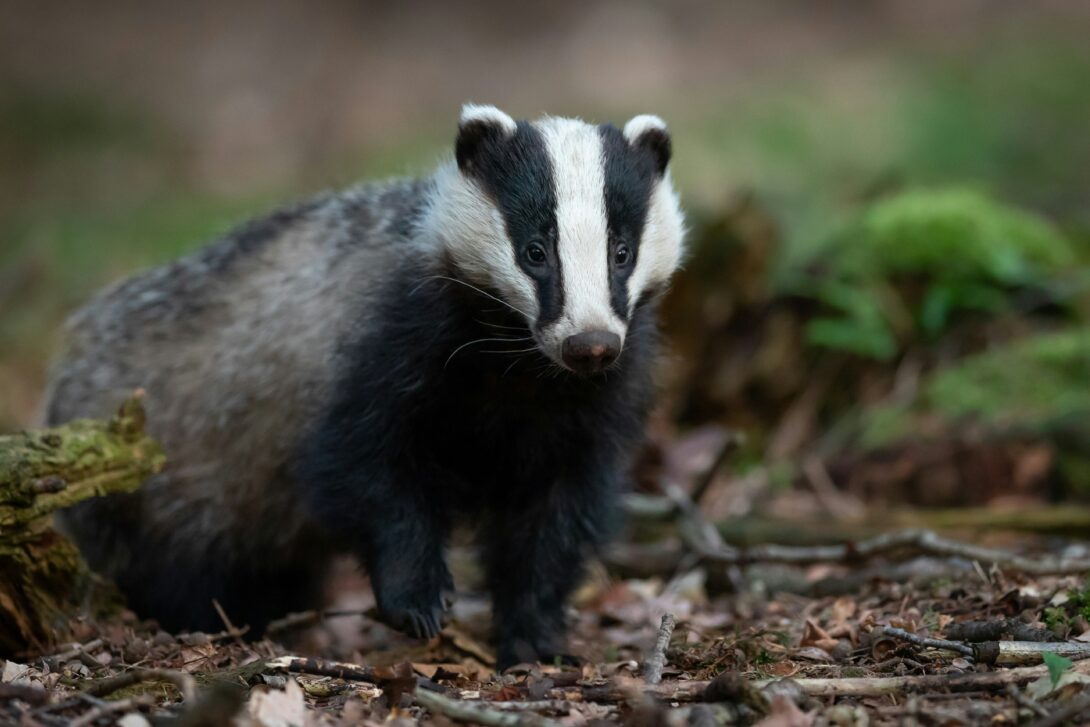
When a lot of us think of badgers, we think of Mr Badger from The Wind In The Willows. Yet, if Mr Badger lived in the UK today, he would be at a very high risk of being unnecessarily killed.
Bovine tuberculosis is caused by the bacterium Mycobacterium bovis, which cattle are the natural host of. However, other species can catch and transmit the disease, such as badgers. After winning the election last year, the new Labour Government announced a strategy to tackle bovine tuberculosis last August, as well as a goal for England to be declared officially bovine tuberculosis free by 2038.
The current badger cull was restarted by the previous Conservative Government as a tool to curb bovine tuberculosis, however new TB herd incidents in England have fallen only by 1% since the cull was reinstated in 2013. Interestingly, Scotland has been bovine tuberculosis free since 2009 and stopped culling badgers in 2012, citing the Randomised Badger Culling Trial between 1998 and 2005, which concluded that ‘badger culling can make no meaningful contribution to cattle TB control in Britain’.
This is not a complete surprise, given that the Badger Trust found that 94% of bovine tuberculosis cases are spread from cow to cow, and that more cattle were slaughtered in 2021 than in 2013, when the cull was brought back in.
Over the past decade, more than 230,000 badgers have been culled, and 278,000 infected cattle have been slaughtered. Interestingly, while researching this debate, I learned that if a slaughtered cow has only one visible lesion, the lesion will be cut off, and the cow can still be sold for meat. As we think about linking up a range of animal welfare policies, it would be interesting to consider how this could apply to any future food-labelling schemes.
It is clear that culling badgers is not the solution. Instead, we need to implement stronger biosecurity measures and good husbandry, including the known recommendations of double fencing, robust perimeter boundaries, and the avoidance of common grazing and shared watercourses.

The independent Godfray review, which was last updated in 2025, looked at the strategy for England to become Officially Bovine Tuberculosis Free. Interestingly, in light of the Labour Government’s pledge to end the badger cull, the review concluded that “As a decision has been made to phase out culling it is of great importance to develop effective non-lethal interventions to enable eradication, such as vaccination of badgers or reducing contact between badgers and cattle.”
On the topic of biosecurity, it also added “An unfortunate consequence of the controversy around badger culling and the politicisation of the debate has been a deflection of focus from what can be done by the individual farmer and by the livestock industry to help control the disease. In particular, the poor take up of on-farm biosecurity measures and the extent of trading in often high-risk cattle is severely hampering disease control measures.”
It is good news that the Government has confirmed that they are prioritising the development of a cattle vaccine, as well as implementing a badger-vaccinator field force.
The badger cull appears to be coming to an end. As Dame Angela Eagle reported in our parliamentary debate, at the height of the badger cull there were 73 licenses to cull badgers, during this season there are 21, and by the end of the season there will only be one. I hope that very soon there will be none at all, and we can have a healthier, less cruel, and more effective cattle farming system.

Irene Campbell is a Scottish Labour Party politician who has represented North Ayrshire and Arran in the House of Commons since 2024. Born in 1964, Campbell has established herself as a voice for her Scottish constituency in Westminster.