Recognising the unsung heroes: the RFA deserves equal recognition
It is no stretch of the imagination to say that there is no Navy without the Royal Fleet Auxiliary (RFA). Founded in 1905, our RFA personnel are a distinct group of non-military merchant navy sailors who support and supply the Royal Navy and the Royal Marines. They often don’t make the headlines because much of their work happens behind the scenes, but their work is essential to UK defence, humanitarian and disaster relief. They refuel warships at sea, deliver ammunition, supplies, and transport Royal Marines and equipment where they are needed. Although they are not armed combatants, they are still deployed in the same war zones and exposed to the same dangers as those who are.
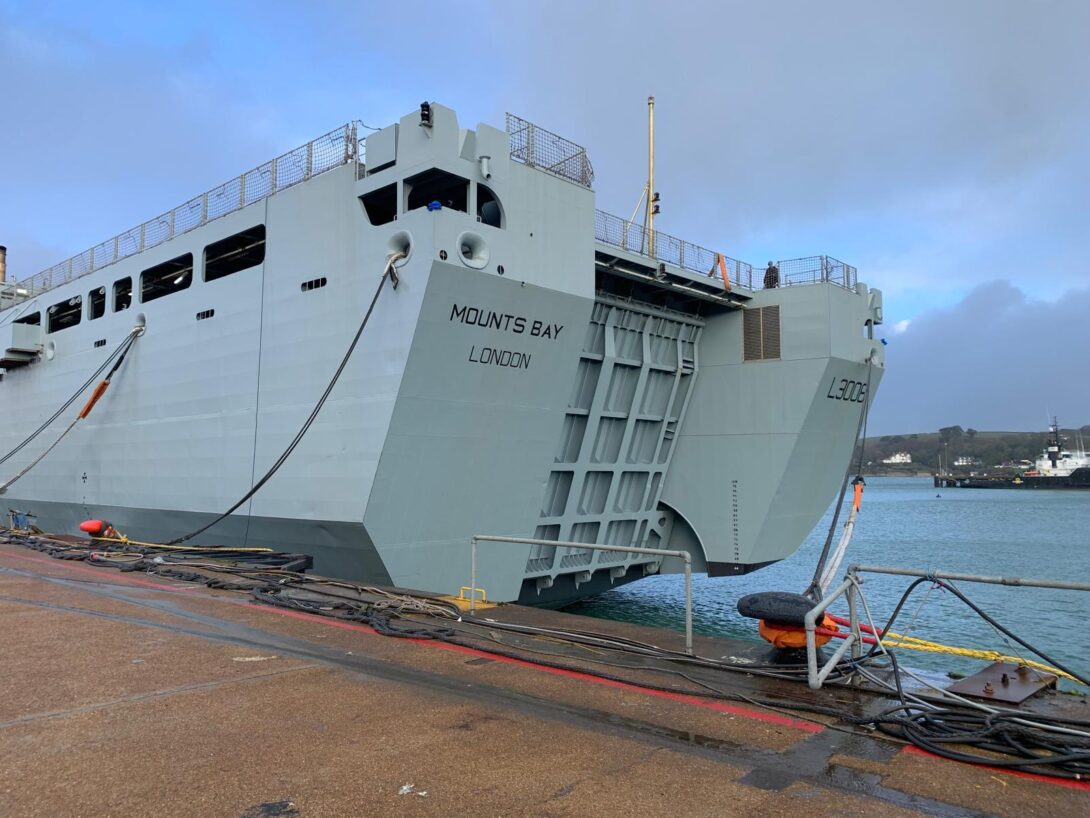
Living in Falmouth, which is home to the Bay-class RFA ships, I am close to the hard work they do. These vessels are maintained in port and can be spotted sailing in and out of the harbour. I clearly remember watching the RFA Argus head to Sierra Leone in 2014 as part of Britain’s relief effort to combat the Ebola outbreak. She carried crucial medical supplies, food and water, critical equipment, doctors, nurses and military personnel. When she returned, an Admiral’s commendation followed for the extraordinary work her crew performed.
Their deployments since then have been no less significant, with counter-narcotics operations in the Caribbean, Persian Gulf, and Indian Ocean, disaster relief in Haiti, anti people smuggling patrols in the Mediterranean, and humanitarian aid delivery to Gaza. In 2024, RFA Proteus played an instrumental role in monitoring the Russian vessel Yantar in the North Sea.
And yet, despite their constant and commendable service across the globe, RFA crews have no independent body to raise concerns about welfare, safety or misconduct. Parliament created the Armed Forces Commissioner in 2025, an important step that gave our military personnel a direct line to Parliament, but it did not automatically extend to the RFA. Leaving the people who keep our Navy operational outside a system that is designed to protect those who serve.

Having spent time with RFA crews in the constituency, I was aware of the challenges they face. Their work is gruelling, their deployments long, and conditions can be difficult. They are often making the same sacrifices as those in the forces.
That is why I introduced my Ten-Minute Rule Bill calling for the RFA to be included under the Armed Forces Commissioner. As a Back-Bench MP, it is rare to see a ten-minute rule Bill progress all the way into law, so I was pleased to learn that the Armed Forces Bill 2026 had incorporated my proposal and am now sitting on the Bill Select Committee.
Clause 30 now formally brings RFA personnel under the Commissioner’s remit, without changing the RFA’s unique legal status or their distinct identity. This will give them a safe and independent route to address welfare issues, raise concerns about bullying, unsafe conditions, discrimination and misconduct.
Schedule 4 sets out in detail the new powers and responsibilities of the Commissioner in relation to the RFA. Empowering the Commissioner to promote welfare and investigate systemic issues such as crew fatigue and staffing pressures. It also gives them the authority to enter RFA premises, request evidence and issue recommendations that the Secretary of State has to consider.
As a former Navy spouse, I am very aware that this matters not only to personnel but also to their families. Partners and children of service personnel and the RFA are alone for long stretches of time, and their service can take a toll on families, who also need support.
As a government, we promised to renew the nation’s contract with those who serve, and I am proud that the RFA is included in that renewal. That contract should not end at the gates of a naval base or the stern of an auxiliary ship. RFA personnel serve this country with dedication, often without the recognition they deserve, and it is only right that our policies reflect their contribution. We owe them decent pay, safe working conditions, clear opportunities for progression, and modern vessels that match the important role they play in an ever-changing and dangerous world. I am proud to have played a part in bringing change and in making sure that our RFA personnel are properly recognised and protected under a commissioner.

Jayne Kirkham MP is a British Labour and Co-operative Party politician and has served as the MP for Truro and Falmouth since 2024.