Defending the BBC when truth is under siege
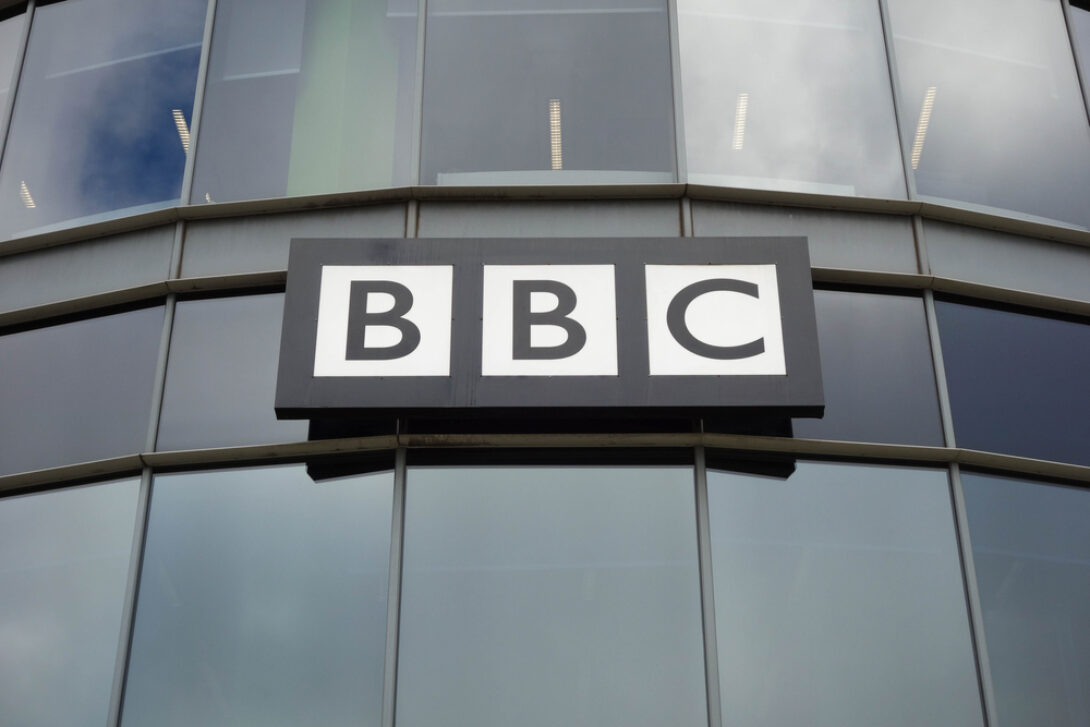
Since my election, I have been a consistent advocate for the BBC. Not out of sentimentality, but because in an age saturated with disinformation, the BBC remains one of Britain’s strongest defences against the distortion of truth. The past week has shown how fragile trust in public broadcasters can be. An edited clip of President Trump shown on Panorama sparked a storm of criticism and ultimately led to the resignation of the BBC’s Director-General. The President seized on the error, branding the BBC “fake news” and part of a wider conspiracy against him.
This incident is serious. Yet rather than proving the BBC is failing, it shows something vital: when the BBC gets something wrong, it takes responsibility. The error was acknowledged quickly, leadership acted, and corrective steps are underway. That is what accountability looks like in a functioning, independent public service broadcaster. The rush by some to use this episode to undermine the entire institution is profoundly misguided.
Growing up, the BBC was the steady background to family life – the familiar voice on the Six O’Clock News and a reminder that turbulent events could still be understood through facts rather than rumour. Before Parliament, I spent decades as a doctor, and in clinics across East Anglia it was clear how many people from entirely different walks of life relied on the BBC as a shared reference point. During the pandemic and periods of political uncertainty, that stabilising role became unmistakable.
That trust is now more essential than ever. Misinformation spreads faster than any virus, and its consequences can be just as destabilising. The BBC’s Verify team and global disinformation units have exposed fabricated videos, debunked election conspiracies, and corrected stories already fuelling unrest abroad. This work reduces tension, prevents harm, and provides clarity at moments when confusion can be dangerous.

The value of the BBC is even clearer through the World Service. Broadcasting in dozens of languages to hundreds of millions, it reaches people living under regimes where journalists are silenced, and truth itself is treated as subversive. During internet blackouts in the Middle East and Iran, millions turned to BBC Persian via VPNs or crackly radio signals simply to access basic facts. When global uncertainty peaks, the World Service responds quietly and consistently, often at personal risk to its reporters.
This is Britain at its best: principled, outward-looking, and committed to the free flow of accurate information. It represents soft power built not on coercion but on credibility. Public trust, once eroded, is almost impossible to rebuild, which is why mistakes like the Panorama clip must be taken seriously. But this is also why politically motivated attacks on the entire organisation must be challenged.
Criticism comes from all directions. Some say the BBC is too conservative; others insist it is too liberal. President Trump’s comments are only the latest in a long tradition of powerful figures attempting to delegitimise independent journalism. When an institution is accused of opposite forms of bias simultaneously, it is often a sign that it is doing exactly what it is meant to do: challenge everyone equally.
The Panorama incident merits scrutiny, but the correct response is improvement, not destruction. There is a world of difference between holding the BBC to high standards and using a single mistake to argue for stripping it of independence. Those calling for its demise rarely admit that their objections long predate this week’s events.
I have spoken about the BBC nine times in the Chamber, convened a round table in parliament to highlight and discuss the impact of funding cuts to the World Service and recently tabled an Early Day Motion underscoring the BBC’s importance in providing impartial and factual news coverage. Reflecting the strength of feeling on this topic in parliament, the EDM has already been signed by 48 of my colleagues. Standing up for the BBC has been a major focus of mine since being elected, and I have been proud to do so with conviction. As one of the cornerstones of our national life, the BBC provides stability in difficult times. It is striking that those most eager to discredit it on social media often present themselves as patriots. In truth, few actions are less patriotic than undermining an institution that contributes so profoundly to Britain’s identity. My parliamentary contributions reflect my own values clearly and unapologetically.
The BBC is one of Britain’s great democratic pillars. It offers a shared national story and represents our values abroad. At a moment when truth is routinely questioned and hostile states weaponise falsehoods, weakening the one broadcaster that still commands global trust would be both reckless and self-defeating.
Defending the BBC is, ultimately, an act of defending democracy itself. As long as I am in Parliament, I will continue to make that case with clarity and determination.

Peter Richard Prinsley is a British Labour Party politician who has served as Member of Parliament for Bury St Edmunds and Stowmarket since July 2024. Born on 8 April 1958, he was elected to the House of Commons in the general election held on 4 July 2024, winning the seat for Labour in what had traditionally been a Conservative stronghold in Suffolk.