Trump’s Caucasus peace deal is in serious jeopardy
Trouble is brewing in the Caucasus. Situated between Turkey, Azerbaijan, Iran, and Russia, Armenia occupies a complex and strategically significant geographic location that has long been bedevilled by war. Recognising this fact, the Trump administration moved fast to promote peace between Armenia and Azerbaijan by sponsoring the intra-state connectivity route. This deal cuts a path across Armenian territory between Azerbaijan and its exclave of Nakhichevan. Not only is this route designed to placate Azerbaijan, which ethnically cleansed Armenians from Nagorno Karabakh in 2023, it is also intended to secure the safe passage of trade.
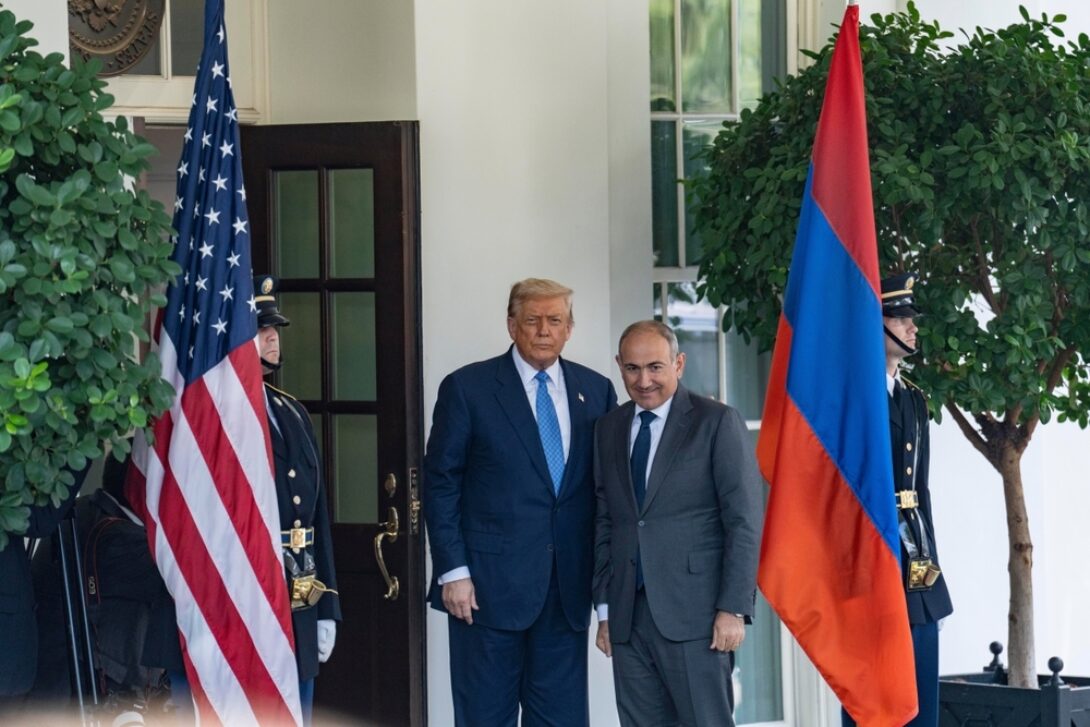
However, in the haste to get this deal over the line, the Trump administration has failed to consider the interests of the Armenian people. Many in Armenia see the sovereignty of the country fatally undermined by this deal. This has placed them on a collision course with their prime minister, Nikol Pashinyan. As a result, the peace that Trump prizes is at serious risk of breaking down. Furthermore, President Trump, seemingly unaware, shook the sullied hand of a regime widely known for persecuting Christians.
The leadership of the Armenian prime minister has descended into naked authoritarianism while he tries to overrule dissent to his rule. The authorities’ attack on the country’s historic Armenian Apostolic Holy Church is emblematic of this crackdown. Armenians at home and abroad have watched in horror as the prime minister has ruthlessly attacked the Church and its clergy and parishioners to save his political skin. This has created great divisions in Armenian society, which threaten to destroy the fragile peace talks with Azerbaijan. My law firm has prepared an extensive White Paper that documents exactly what is going on.
Over 1,700 years of continuous existence, the Armenian Apostolic Holy Church has acted as a receptacle of national identity. It was largely due to the Church that the Armenian nation survived centuries of subjugation under imperial rules. Consequently, the Church holds significant influence within Armenian culture and is highly regarded as an institution by Armenians both in the republic and throughout the diaspora.
The Armenian Apostolic Church has a constitutionally mandated“exclusive mission […] in the spiritual life of the Armenian people, in the development of their national culture and preservation of their national identity.” With this role comes a responsibility to speak for the Armenian people, not least those who have suffered at the hands of Azerbaijan. The Church has rightly condemned the failure of the prime minister to secure the interests of Armenians from Nagorno Karabakh. This includes the heritagethey were forced to leave behind, including their ancient churches, stone crosses, and the graves of their ancestors and loved ones. This view that the Armenian political leadership has been disastrous is commonly held and is supported by leading experts on the region.
In response to this legitimate criticism, the government has launched an unprecedented campaign against the spiritual leader of the Church – His Holiness Karekin II, Catholicos of All Armenians. The prime minister has demeaned his office by writing incendiary messages about the Catholicos on Facebook, while also calling for his overthrow. One can only imagine the uproar if the president of France publicly attacked the Pope and demanded his replacement. The same goes for Armenia and the head of its Church.

The authorities have also overseen the arrest and detention of multiple bishops, priests and parishioners of the Church. One of them is my client, Samvel Karapetyan, a prominent Armenian businessman and philanthropist, and follower of the Church, who has been in detention since 18 June. Karapetyan’s arrest stems from a brief public statement that defended the Church and called for a resolution to the conflict between Church and state. Ludicrously, he has been charged with calling for the overthrow of the government. He is now languishing in a Soviet era jail that once housed the KGB. According Alison Meuse, an experienced journalist and regional expert, “the Church has not faced such an existential threat since the harshest years of the Soviet purges and consolidation of power.”
The prime minister’s actions breach not just domestic law, but Armenia’s international treaty commitments, including the European Convention on Human Rights. Rightly, his attacks on the Church have been denounced by the international community. The World Council of Churches has stated that it “stands in solidarity with the Armenian Apostolic Holy Church.” Meanwhile, Christian Solidarity International, Coptic Solidarity and SOS Chrétians d’Orient have co-signed a statementdemanding the Armenian authorities to “immediately and unconditionally release Samvel Karapetyan”, and to “cease all interference in the internal affairs of the Armenian Apostolic Church, including the ongoing campaign to delegitimize its clergy and replace its leadership through state-orchestrated mechanisms.
Armenians rightly want peace and prosperity. But this cannot happen while their authorities fragrantly undermine rule of law and human rights. The international community most hold Armenia to account and Pashinyan must desist from his attacks.

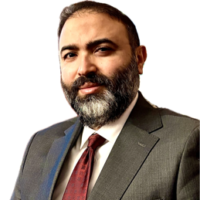
Robert Amsterdam is an American-Canadian international lawyer who has built a distinguished career specialising in political advocacy and human rights law. Born on 9 January 1956 in New York City, Amsterdam founded Amsterdam & Partners LLP, where he serves as Managing Partner. The firm maintains offices in both Washington, D.C., and London, reflecting its international scope and practice.