Times up for driven grouse shooting
The First Hen Harrier Day, a celebration of a magnificent bird of prey and a protest at their lack in our skies, was nine years ago now. It focused, as campaigners continue to focus, on the association between illegal persecution of these magnificent 'sky dancers' and the driven grouse shooting industry.
The call of many campaigners – 88 per cent of the subscribers to the campaign group Wild Justice’s just-released poll – is to ban driven grouse shooting, the so-called sport that began its season this weekend, the Inglorious Twelfth of August – in a fusillade of lead in our uplands.
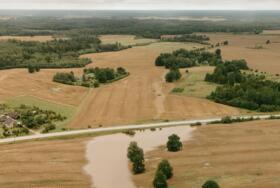
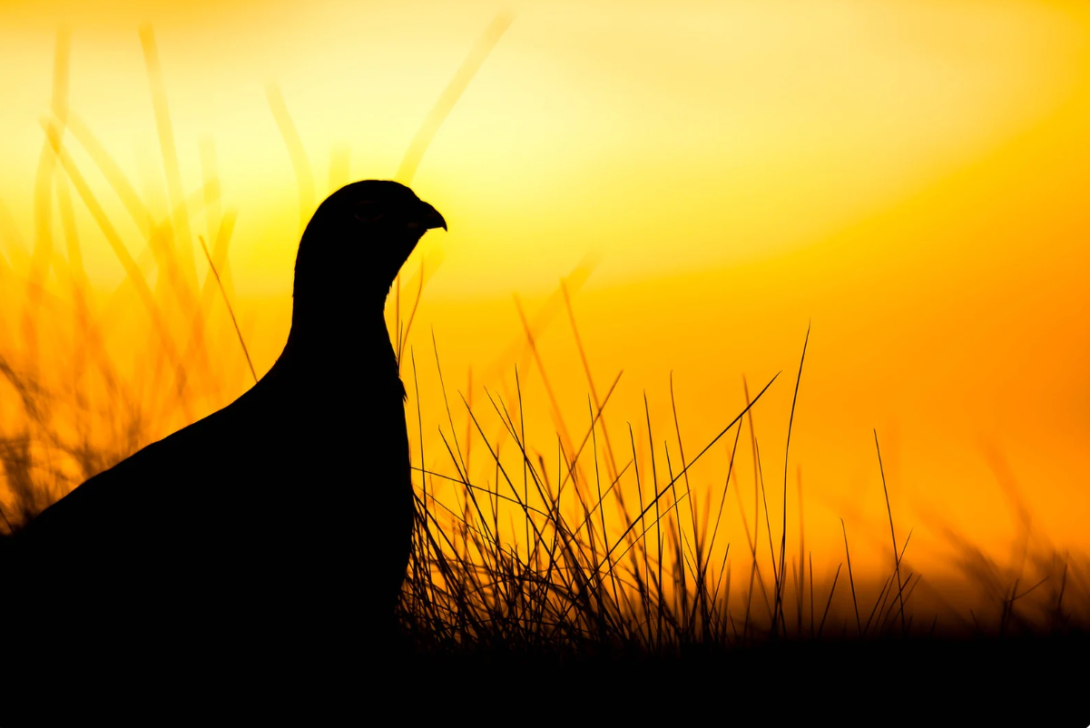
This is not some centuries-old tradition – it only took off in the 1880s – and is unique to Britain. In no other country is precious, potential rich upland land that could be bursting with diverse life managed for one species, the red grouse, to the point where populations can exceed 100 times natural levels. With most other species, foxes and corvids, mustelids and even hares, exterminated.
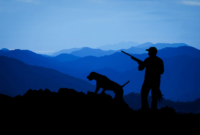
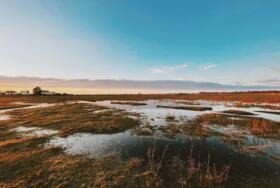
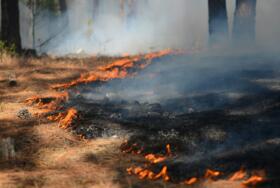
Wander over such land and you’ll find it dotted with traps for those animals, and with grit trays with treatments to try to tackle the disease problems coming with such unnaturally large grouse populations. It will also be marked by patches of land that has been burnt to provide young heather for the young grouse, often catching fire also the peat underneath, and stink pits, where the carcasses of the slain animals are dumped.
No wonder the UK is unique in the world in having such landscapes. Who could think this would be a good way to use land?
And more and more people don’t. At that first Hen Harrier Day, it was suggested that it might take 10 years to get a ban on driven grouse shooting. We’re not there yet, but progress is evident.
England’s largest corporate landowner, the north-west water company United Utilities, announced last month that it will not be renewing grouse shooting leases on its lands, with the last expiring in 2027. "The company's water catchment moors will be restored for nature, climate and people,” it said. Great news!

Scotland has published legislation to licence grouse moors, with the opportunity to close down those associated with illegal activities. Environment Minister Mairi McAllan said: “The illegal killing of Scotland’s magnificent birds of prey cannot be tolerated.
And last week, there was tragically, news just out that could – or at least should – draw action from the government. The invaluable Raptor Persecution UK website reports today that Highly Pathogenic Avian Influenza, the disease that is cutting such a swathe through our wild bird populations, has just been found in red grouse in Scotland.
We already know that Cryptosporidiosis (Bulgy Eye) is rife on many intensively managed driven grouse moor in England on many driven grouse moors, having first been detected in 2010. Grouse moors, with their maximum annual population, are a biodisaster waiting to happen.
And yet we’ll see men, and some women, walking and driving all over the moors, with their shotguns at the ready, about to pick up at least some of those lead-laced carcasses and spread them around the country.
How, even given the prominent position of grouse moor owners and shooters in our corridors of power, can this biorisk be accepted?
I’ve long been arguing, since I spoke at the second Hen Harrier Day in Edale, that driven grouse shooting should be banned. There are so many reasons for that – the climate damage, the biodiversity damage, the impact of burning on the health of nearby communities. But week there’s a new, pressing reason for government action to at least suspend the start of the shooting season.

Baroness Natalie Bennett of Manor Castle is an Australian-British politician and journalist who led the Green Party of England and Wales from 2012 to 2016. Born on 10 February 1966 in Australia, she began her career as a journalist working for regional newspapers in New South Wales before relocating to Thailand in 1995, where she spent four years with Australian Volunteers International and the Bangkok Post. After settling in Britain in 1999, she contributed to major publications including The Guardian, The Independent, and The Times.