The EU delays its “rescue”plan
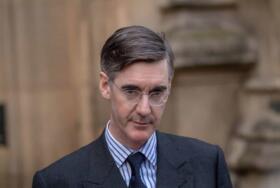
The EU's "rescue"plan is not actually about the virus. It is about the political ambitions of the new Commission, and the need of France and Germany to reaffirm faith in the project of ever closer union at a time of major divisions of opinion on that goal, argues regular contributor John Redwood
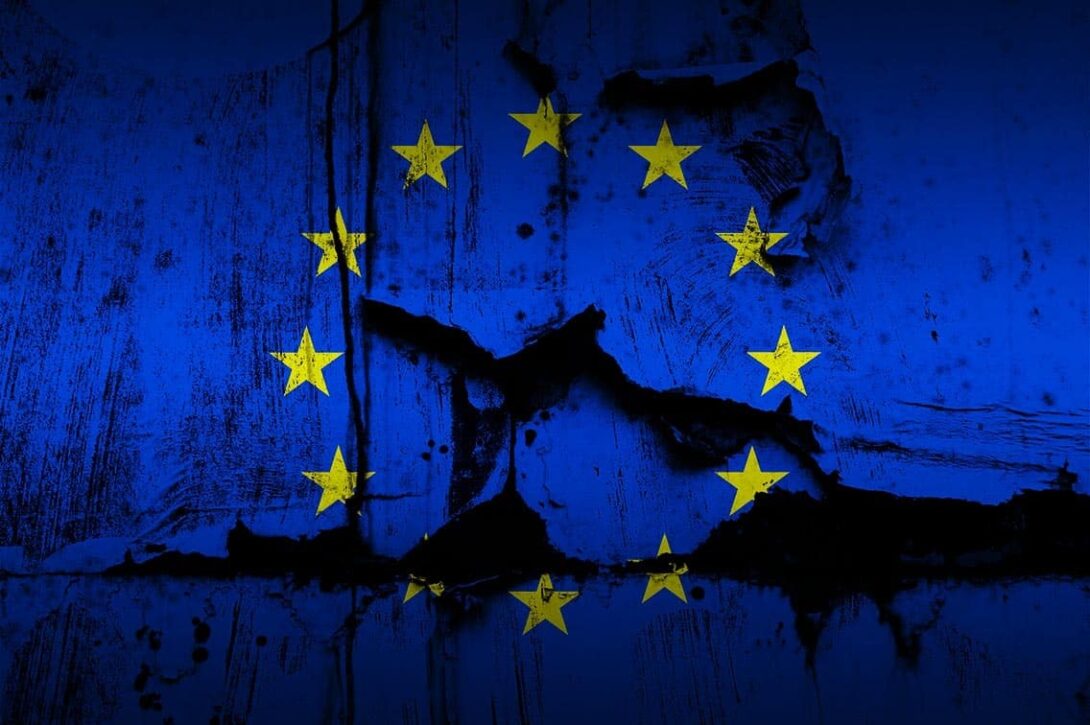
The so called Recovery and Resilience fund agreed after much wrangling on Monday night will do practically nothing to help EU economies recover from the pandemic policies. There is no public analysis of the damage done to large sectors of the EU economy by lockdown, no plan for aviation or hotels. It is a very important step on the road to full political union, establishing the important principles that the EU can borrow on the balance sheet of all the member states, and can transfer money from richer to poorer countries following such borrowing.
The grant and loan money in the fund totalling Euro 560bn after haggling will be disbursed over a four year period starting next year. Nothing will be raised and spent in 2020, when the need is greatest, and maybe under 60bn Euro in 2021 according to an EU Commission cash flow forecast. In other words this scheme is not going to rescue the EU economy and is going to make no visible contribution to the recovery for at least the first 18 months after the crash. The other Euro 190 bn will be added to existing EU spending programmes in future years, taking the new borrowing to the promised Euro 750bn.
It is not actually about the virus. It is about the political ambitions of the new Commission, and the need of France and Germany to reaffirm faith in the project of ever closer union at a time of major divisions of opinion on that goal. The UK's dogged resistance to the project is rightly no more. It is better we leave than continue to oppose the central thrust of the project. Instead the Netherlands led a group of five so called frugal countries who object strongly to a larger budget and to sharing their tax revenues with poorer nations. Two of them have also refused to join the Euro, seeing how that takes you a long way on the road to European integration. Denmark has a legal opt out from Euro membership, whilst Sweden simply declines to meet the Treaty obligation to join.
The Commission has used the Covid 19 damage as a means to lever a bigger budget out of the member states, to be applied to the priorities of the Commission as set out before the pandemic intervened. The overriding priority is to push the Green Revolution. The favoured example of a project suitable for funding is 1 million electric vehicle charger points around the EU. To bring that about individual member states will need to incorporate national roll out of such points in their National Plans and submit them to the EU for money.
Any country wanting a grant or loan will need to send in a Plan and detailed proposals and receive EU approval. Money will only be released where there is target monitoring and performance reporting in place. Payments will be phased with review of progress before further release of cash. This reflects the worries of the states opposing the original scheme.

John Alan Redwood, Baron Redwood, is a British politician and academic who represented Wokingham in Berkshire as Conservative Member of Parliament from 1987 to 2024. Born on 15 June 1951, he served as Secretary of State for Wales under John Major and twice stood unsuccessfully for the Conservative Party leadership during the 1990s. Following his ministerial career, Redwood held positions in the Shadow Cabinets of William Hague and Michael Howard before spending his remaining parliamentary years as a backbencher. Prior to entering Parliament, he earned a doctorate at All Souls College, Oxford and served as Director of the Number 10 Policy Unit under Margaret Thatcher.