The coalition of the cowardly: How Europe is financing Putin’s war
It was George Santayana who remarked that 'those who cannot remember the past are condemned to repeat it'. Remembrance of things past is the achilles heel of Europe. Despite the new US doctrine of 'realpolitik', Europe muddles on regardless, with a virulent historical amnesia.
In 1938, following the capitulation to Hitler at the Munich Conference, Czechoslovakia was left to the expansionist onslaught into the Sudetenland. In a strange twist of fate the Czechs have now blocked an effective method to put Putin on the back foot. In late 2025, the European Union faced a moment that many observers hoped would be decisive: whether to use roughly €210 billion in Russian central bank assets, immobilised in the bloc since early 2022, to help finance Ukraine’s ongoing war effort and reconstruction.
Instead of seizing or directly deploying these funds, European leaders chose a compromise: a €90 billion interest‑free loan to Ukraine sourced from EU borrowing, not Russian assets. The outcome reflected not legal paralysis alone, but a fractured political will within the Union—anchored by the repetitive objections of three Central European member states: Hungary, Slovakia and the Czech Republic.
Following Russia’s full‑scale invasion of Ukraine in February 2022, the EU, alongside G7 partners, froze approximately €210 billion of Russian state assets. The bulk of those funds—principally cash from matured bonds—are held in the Belgian‑based financial institution Euroclear. For years, the debate within Europe has oscillated between traditional legal caution and more assertive proposals to utilise the funds directly in support of Ukraine. Proponents argue that with Ukraine facing potential financial collapse and Western aid constraints tightening, these immobilised assets represent a tangible, morally justified source of support.
Yet Europe’s capacity to act decisively has been undermined by legal concerns—especially about sovereign immunity, investor confidence in European financial markets, and fears of Russian retaliation. And of course fear from Belgium, home of Euroclear.
No country has been more vociferous than Hungary. Prime Minister Viktor Orbán has repeatedly framed EU proposals to use Russian funds as unlawful overreach. Orbán denounced EU actions to indefinitely immobilise Russian assets as an assault on legal order, writing provocatively that “Brussels is crossing the Rubicon today… The European Commission is systematically raping European law… in order to continue the war in Ukraine.”
The Czech Republic under Prime Minister Fiala and now Babis has maintained public support for Ukraine and a firm stance against Russian aggression. But Prague’s approach to frozen Russian funds reveals a more cautious and obstructionist pattern in practice. The Czech Republic supported the indefinite freezing of Russian assets, which removed one procedural hurdle to future EU action. However, Prague has resisted more assertive steps on confiscation or direct deployment of the funds. Instead, Czech officials have insisted on additional legal assessments and procedural safeguards that, in effect, slow or dilute decisive action.
Rather than threatening outright vetoes, Prague’s strategy has been one of procedural delay—what diplomats privately describe as “obstruction through study and process.” This stance reflects genuine concerns within the Czech legal and financial establishment about precedent and risk to investor confidence, but it also permits Brussels to defer politically fraught decisions.
Russia’s leadership has watched these European debates with satisfaction. The Kremlin consistently frames utilisation of frozen assets as theft. President Vladimir Putin warned that treating Russian reserves as spoils would erode trust in the European financial system and warned that such acts would bring “serious consequences” for Europe’s financial reputation.
Russian state institutions have also responded legally. The Russian central bank filed a lawsuit against Euroclear in a Moscow court, claiming damage from immobilisation of its assets and contesting EU plans to repurpose them.Russian sources argue that legal pushback not only defends sovereign rights but also exposes cracks in European resolve. State‑aligned outlets, for example, frame EU deliberations as evidence of fading Western unity and reluctance to confront Russia directly.
From this perspective, the quarrel among EU capitals over asset use is not merely legal; it serves Moscow’s strategic aim of weakening European cohesion and deterrence. The financial and moral cost of Europe’s reticence is already visible.

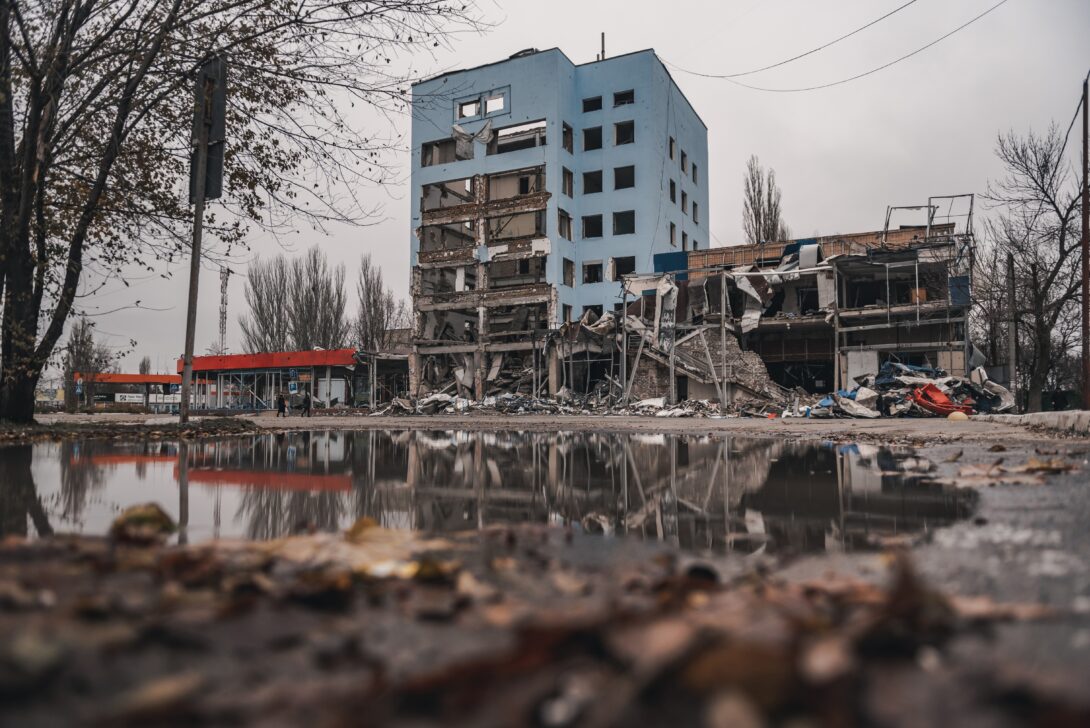
Ukraine’s reconstruction needs are estimated to exceed hundreds of billions of euros, far outstripping the pace of Western aid. The EU’s recent €90 billion loan helps bridge a gap, but it is financed through collective borrowing and carries future obligations rather than tap immediate liquidity.European decision‑makers argue that legal caution preserves international financial norms and mitigates risk of retaliation. But many analysts counter that the key fears: undermining the euro, mass asset flight, or systemic risk are exaggerated or already integrated into current policy frameworks. The hesitation has also emboldened critics of sanctions and heightened Russian propaganda narratives that emphasise European division and decline.
Ultimately, Europe’s handling of frozen Russian assets reflects a deeper dilemma at the heart of the Union: how to reconcile unanimity and diverse national interests with coherent strategic action. The EU is clearly divided. But showing your hand to Putin is like a capitulation. Putin does not understand diplomacy or weakness. History may not remember this period simply as one of legal prudence. It may judge it as a demonstration of cowardice in the face of strategic necessity. Appeasement and cowardice may provide a short term filler and protect Czech interests in Russia, but the optics are bad. This week the Czech Republic announced the completion of the D1 motorway to the east of the country, a project which started in 1939. Putin must be rubbing his hands with glee: it will be a nice motorway for the Russian tanks to stroll down without opposition.

Brian Patrick Bolger has taught Political Philosophy and Applied Linguistics in universities across Europe. He is an adviser to several Think Tanks and Corporates on Geopolitical Issues.