Removing nitrites from processed meats can relieve pressure on the NHS
As the Government seeks to finalise its National Cancer Plan and sets out to build an NHS Fit for the Future under the Prime Minister’s Plan for Change, it’s time to take action on one of the hidden killers lurking in kitchens across the country and, most concerningly of all, in our school cafeterias and hospital canteens.
I am referring of course to nitrites, a food additive traditionally used to cure bacon and ham, preserving the meat and keeping it pink so that it appears more appealing to consumers. An extensive body of scientific research has confirmed that these additives, once the meat they are added to has been cooked and digested in the stomach, produce carcinogenic nitrosamines - a major driving cause of colorectal or bowel cancer.
The Health Secretary, Wes Streeting, has spoken passionately about the need to improve our approach to prevention - helping people to live longer, healthier, and happier lives by minimising their chances of developing health problems in the first place. He is right to do so - prevention is always better than a cure. Surely then, a straightforward, cost-effective, and simple place to start would be to stop the food industry from adding unnecessary chemicals, which we know cause cancer, to our food?
Until recently, there was no commercial alternative to using nitrites to preserve food, and the elevated cancer risk associated with eating foods like bacon and ham was a decision consumers had to take for themselves. But this is simply no longer the case. Food technology has now improved to the point where even the famous Italian Parma ham is increasingly produced with alternative curing agents, greatly reducing the cancer risk posed by this product.

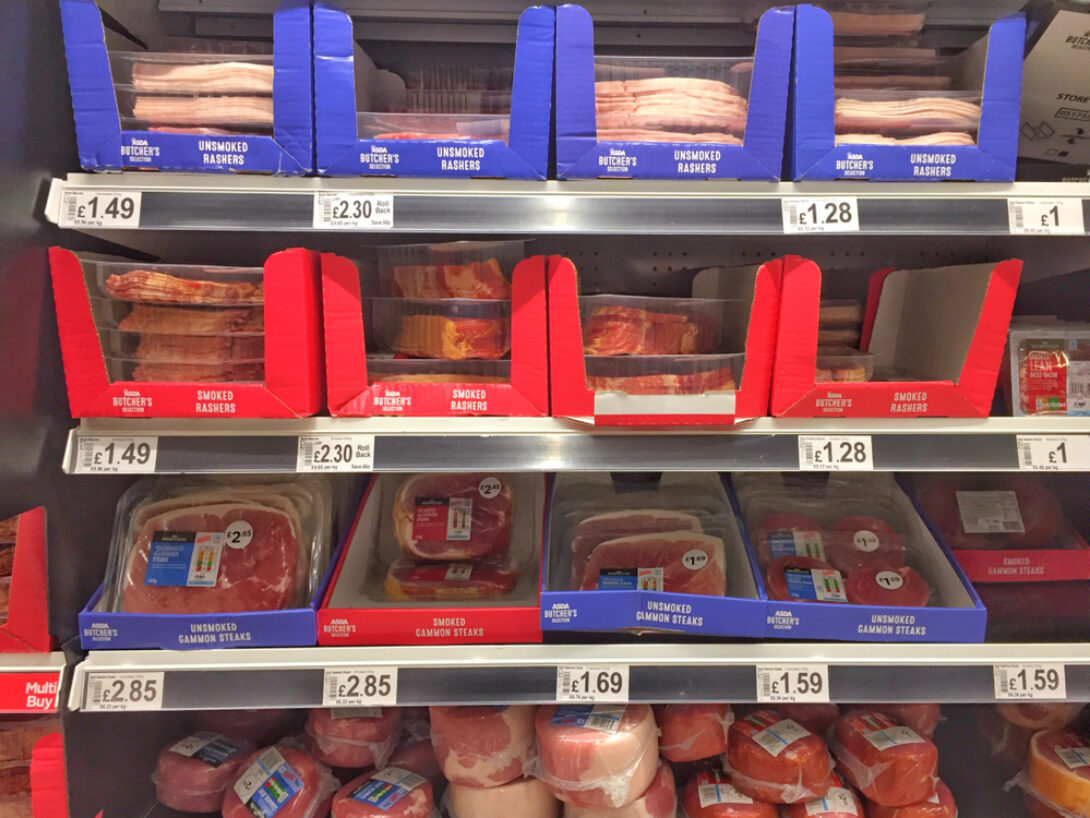
Meat brands in France are doing the same, and nitrite-free options are increasingly common on supermarket shelves across the UK. These products taste just the same as the versions cured in the traditional way, so this is not about miserabilism or a “nanny state” approach. Taking action to remove nitrites from our food is a technical measure, which would go almost unnoticed by consumers, but make a hugely positive impact on the burden facing the NHS.
Furthermore, I’m sorry to say that we are falling behind our friends and neighbours in Europe on this issue. The European Union (EU) recently tightened its regulations on the use of nitrites and nitrates as food additives in processed meats, lowering the maximum levels of nitrites and nitrates permitted in food products.
We should follow their example - this is a sensible, uncontroversial measure, and while it might not grab headlines, it will achieve real good. It’s time to take action on nitrites, and I hope the Government sees this for what it is- an easy win that would save lives, keep the UK aligned with our European allies on food policy, and help to build an NHS fit for the future.

Baroness Margaret Ritchie of Downpatrick is a Northern Irish politician with extensive experience in both devolved and Westminster politics. She served as Leader of the Social Democratic and Labour Party from 2010 to 2011, having previously represented South Down as a Member of the Northern Ireland Assembly between 2003 and 2012. During her time in the Assembly, she held the position of Minister for Social Development in the Northern Ireland Executive from 2007 to 2010. Ritchie went on to serve as Member of Parliament for South Down from 2010 to 2017, representing the constituency at Westminster throughout this period.