Health spending, tax and that Brexit dividend
John Redwood MP believes granting a blanket increase in public funding risks resulting in wasteful spending.
There has been a long running argument within government over health spending and how to pay for future increases. That is why I wrote about efficiency and quality last week and set out the case against a hypothecated health tax sometime ago on this site.
I am pleased to report that the idea for a hypothecated new Health Tax seems to have been dropped. I explained how such a tax would not be enough on its own, how there would still be plenty of arguments about how much extra money the NHS needed as well as the hypothecated tax, and how you cannot throttle back health care simply because one particular tax has fallen short.
I am also pleased to report that those of us who argued a substantial part of the Brexit dividend should be used to meet increased future health costs have also been persuasive. There will be an extra £12bn a year available for spending and tax cuts once we have terminated our payments., I am in favour of doing this immediately after March 29 next year, unless the EU suddenly comes up with a good deal which is worth letting them have a bit more of our money after we have left.
There is still work to be done on whether there is any need for extra borrowing. That will depend on how fast the economy grows and how quickly the revenue increases. Lowering tax rates would help raise more revenue in several cases, which would be a welcome boost to the economy with beneficial consequences for future spending. When the US is going for a top Income Tax rate of 37% and Italy for a top rate of 20% the UK needs to stay competitive to ensure enough well paid and successful business people stay here and pay their taxes here to help our public services. The UK economy needs a fiscal boost to offset the monetary tightening administered by the authorities since March 2017.
It is also important to grant increased spending for the NHS on the basis of something for something for something. Just granting a blanket increase could result in wasteful spending, as we saw in the big increases in the middle Labour years before they had to slash public spending generally after the crash.
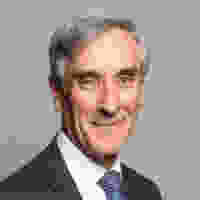
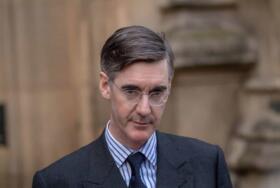
John Alan Redwood, Baron Redwood, is a British politician and academic who represented Wokingham in Berkshire as Conservative Member of Parliament from 1987 to 2024. Born on 15 June 1951, he served as Secretary of State for Wales under John Major and twice stood unsuccessfully for the Conservative Party leadership during the 1990s. Following his ministerial career, Redwood held positions in the Shadow Cabinets of William Hague and Michael Howard before spending his remaining parliamentary years as a backbencher. Prior to entering Parliament, he earned a doctorate at All Souls College, Oxford and served as Director of the Number 10 Policy Unit under Margaret Thatcher.