Post-Brexit free trade helps world's poorest
Outside the EU the UK can pursue a more equitable trade arrangement that will drive up living standards in the world's poorest countries, says Peter Lilley.
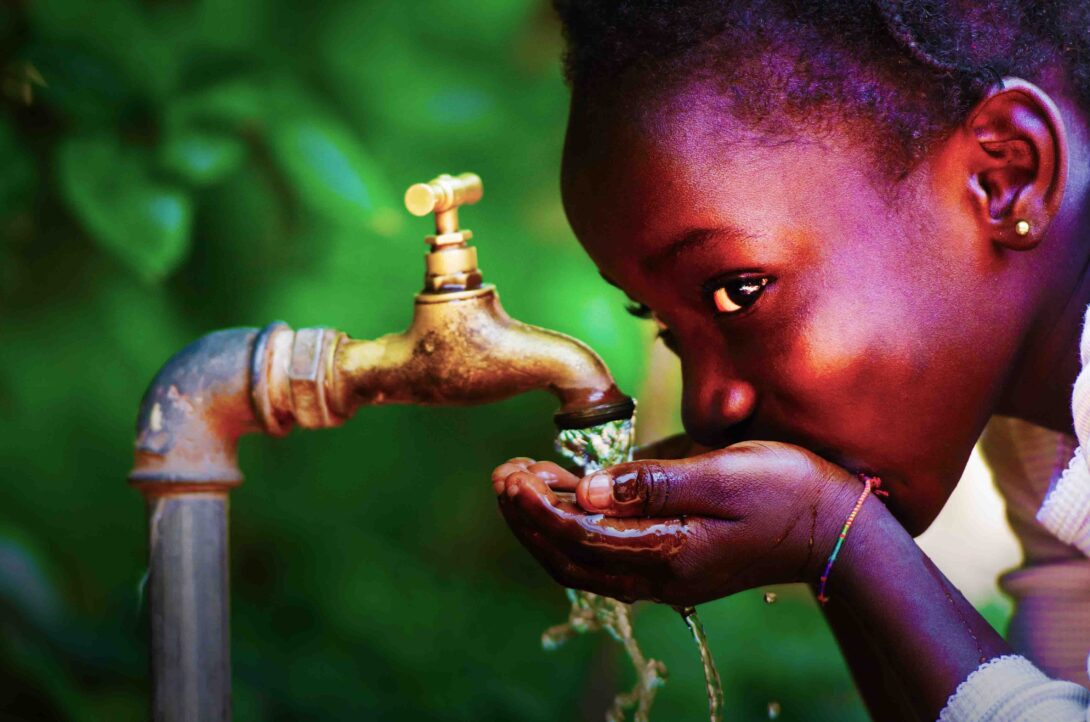
Trade is crucial if poor countries are to leave poverty behind. Trade Out of Poverty was founded because there had been many campaigns to boost aid and relieve debt, but there was no similar campaign with a focus on trade. It is both hypocritical and self-defeating for rich countries to give aid to developing countries while simultaneously blocking their trade.
Trade Out of Poverty, being an All Party Parliamentary Group does not take a view on Brexit. But now the UK will set its own trade policy, we will lobby the British Government to make our trade policy as development-friendly as possible. Ideally that would combine the best of the EU's Everything But Arms arrangement, and the US's Africa Growth and Opportunities Act. If we are successful we would obviously want the EU and other OECD countries to follow that example.
There are five obstacles – from the deliberate to the self-inflicted – that have hindered the poorest countries from trading out of poverty. They need to be tackled.
First, the rich countries must open their markets to the countries by lowering tariffs, especially on labour intensive goods such as clothing, simple manufactures and food. Britain could now set an example by doing this. It is important that rich countries open up their market to the poorest unconditionally – without requiring them to open up their markets to exports from the industrialised world. The export industries of the poorest countries are small in scale, unsophisticated and often specialised in products which cannot be produced easily or competitively in the developed world. By no stretch of the imagination are they a 'threat' to the industries of the developed world.
Second, we must simplify the complex rules which mean that countries which are in theory entitled to tariff-free access end up paying tariffs or being excluded by bureaucracy. Even where countries claim to give free access to exports from poor countries – as under the EU's Everything but Arms agreement – other rules can still penalise or prevent access. The main obstacle to trade once tariffs and quotas have been removed lies in Rules of Origin, which can be unnecessarily complex, restrictive and onerous and can, either by accident or design, act as barriers to genuine exports from countries granted trade preferences. In some cases Rules of Origin are so complex that exporters find it more costly to prove compliance than pay the full tariffs.
Third, we must end rich countries' export and domestic subsidies – particularly on agricultural products, which skew the market against poor countries' goods. Most rich countries are in temperate climates and their agricultural subsidies are mostly designed to protect domestic agriculture from imports from other temperate countries. Most Low Income Countries are in tropical or subtropical climates and invariably produce products least suitable for production in temperate climes. Therefore, those subsidies that most impede imports of products which the Low Income Countries could otherwise supply are the ones that most need to be identified. It is important that the EU, USA, Japan etc. review their agricultural support to identify and phase out subsidies on specific products which could be imported from Low Income Countries.
Fourth, the highest tariffs which poor countries face are invariably those imposed by their equally poor neighbours. These tariffs repress trade and boost corruption. We must help them replace customs duties by supporting governance reforms that boost other sources of revenue. One reason governments of the poorest countries impose such high tariffs is that they are a relatively simple source of revenue to collect. It is ultimately up to developing countries themselves to decide whether to move away from reliance on levying high tariffs particularly at their borders with their neighbours. However, donor countries can and should encourage them to do so by offering technical assistance in building up alternative domestic sources of tax revenue, by offering aid to make good lost revenues while this transition is being made, and by not insisting that the reduction or elimination of tariffs on imports from neighbouring countries is matched by any similar reductions in tariffs on imports from the first world.
Fifth, we need a fresh emphasis on funding infrastructure – roads, ports and administration. The more first world countries implement the four steps spelt out above the greater the opportunities that will be opened up to Low Income Countries to trade out of poverty. But they will only be able to take advantage of those opportunities if they have the capacity to export. They will need the physical capacity to get goods to market – roads, rail and ports. Equally essential are the professional skills and administrative structures. Help in establishing these is essential to make all the changes spelt out above work.
Earlier this year, Trade Out of Poverty launched an inquiry into the UK's Africa Free Trade Initiative, which was launched by the Government five years ago. The Initiative was started to help African countries into the global world trade system, using trade as an instrument for economic growth and poverty alleviation. It has brought together regional trade initiatives from across the Department for International Development, the Department for Business, Innovation and Skills, and the Foreign and Commonwealth Office. Inquiry hearings took place in Parliament in April, and the Secretariat have been compiling evidence for many months. They are currently drafting a report on what the AFTi has achieved over the last five years, what lessons can be taken from it, and how it can be carried forward. I look forward to the publication of their report later this year.
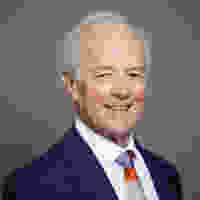
Peter Bruce Lilley, Baron Lilley, is a British politician and life peer who held senior cabinet positions under Margaret Thatcher and John Major. Born in Kent in August 1943, he studied economics at Clare College, Cambridge, before embarking on a political career with the Conservative Party. He represented St Albans in Parliament from 1983 until boundary changes led to his election for Hitchin and Harpenden, a seat he held from 1997 until his retirement in 2017.